In this field note10 sections +Close −
- 01Water security
- 02Roads and physical isolation
- 03Health care and emergency response
- 04Education, connectivity and opportunity
- 05Energy and winter
- 06Livelihoods in a short season
- 07Waste and rapid tourism growth
- 08Climate hazards amplify existing gaps
- 09What visitors and operators can do
- 10Frequently asked questions
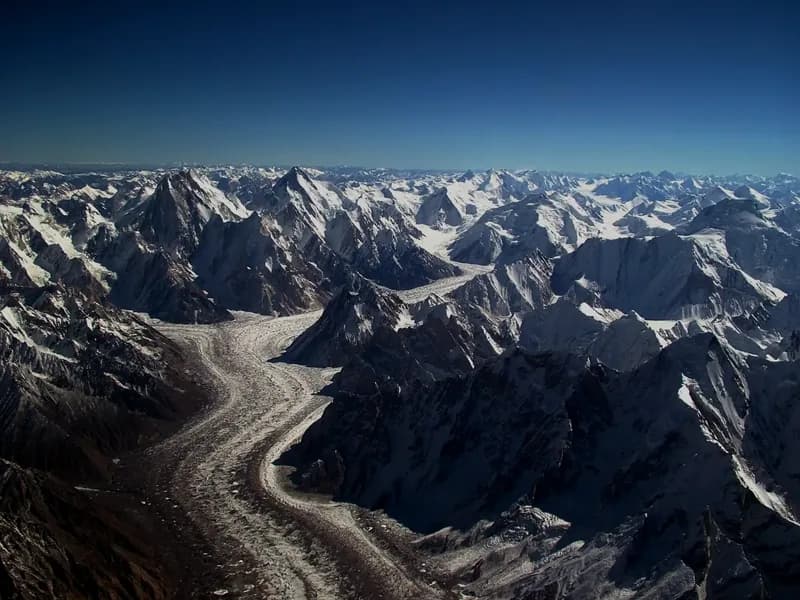
Visitors often describe Gilgit-Baltistan through scale: enormous peaks, long glaciers and deep valleys. The same geography that creates those views makes everyday services expensive and fragile. A blocked road, damaged water channel or failed power system affects a remote village differently from a city with several alternatives.
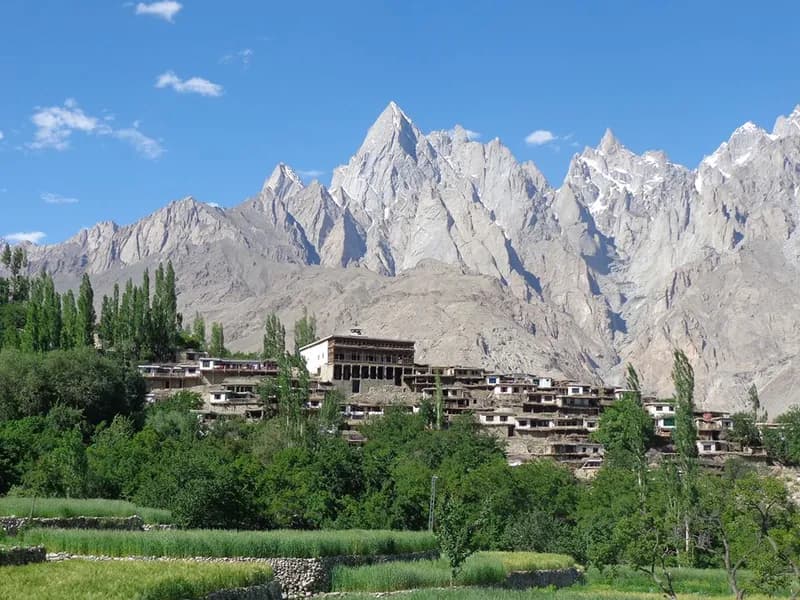
There is no single “remote community experience.” Askole, Hushe, Shigar, Hunza and outlying valleys have different languages, economies and access. The challenges below are connected patterns, not a claim that every household faces the same conditions.
Water security
Many settlements depend on snow, glacier-fed streams and gravity channels for drinking water and irrigation. A damaged intake, low seasonal flow or sediment-heavy flood can affect crops and homes together. The ICIMOD issue brief on Gilgit-Baltistan water management explains how changing glacier surfaces and water-related hazards can disconnect or damage irrigation systems.
Repair is often community labour. When a channel fails, time and money move away from farming, education or paid work. Women frequently carry a large share of household water and fuel responsibilities, so scarcity is not evenly experienced.
Roads and physical isolation
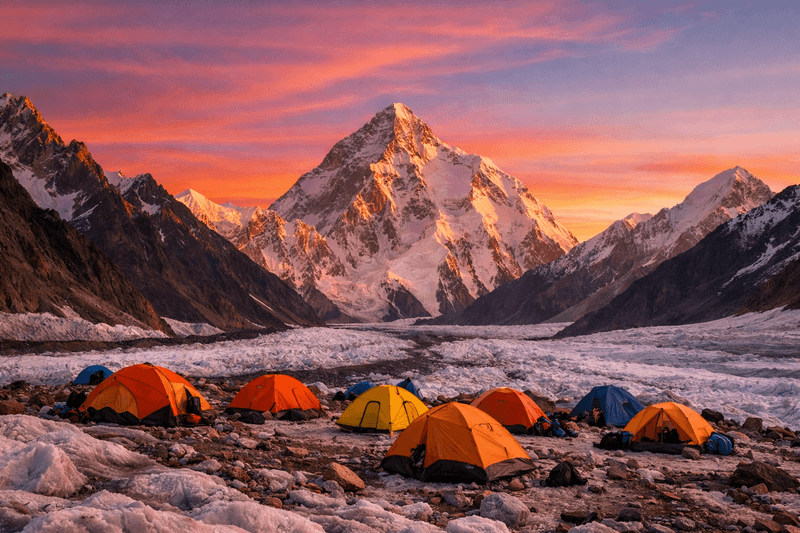
Mountain roads face rockfall, landslides, river erosion, snow and flood damage. Closure can interrupt food and fuel supply, delay medical treatment and prevent crops or tourism services reaching markets. For an expedition, a closure is a schedule problem. For residents, it can affect the whole local economy.
Better roads matter, but construction must also manage drainage, slope stability and maintenance. A fast new cut that repeatedly collapses is not reliable access.
Health care and emergency response
Distance, transport and weather can turn a treatable condition into an emergency. Clinics may have limited staff, diagnostics or medicines, and referral to Skardu, Gilgit or Islamabad takes time. Telecommunications help only when power, signal and a transport option are also available.
Tour operators should not consume scarce local medical supplies casually. Teams need their own first-aid systems, trained staff and realistic evacuation plans.
Education, connectivity and opportunity
School access can be affected by distance, winter, household labour and the cost of continuing education away from home. Digital connectivity creates new opportunities, yet inconsistent signal, electricity and device access limit it. Young people may have to leave a valley for study or work, which can strengthen household income but also reduce the people available for farming and community systems.
Energy and winter
Cold months increase demand for heating and lighting while hydropower output, road access or fuel supply may be constrained. Dependence on wood adds pressure to vegetation and places collection work on households. More efficient stoves and insulated buildings can improve health and reduce fuel demand, but they require finance, appropriate design and maintenance.
Livelihoods in a short season
Agriculture, livestock, public employment, trade and tourism often overlap. A family may depend on crops and expedition wages in the same summer. Flood damage or a poor tourism season can therefore remove several income streams at once. Locally owned accommodation, guiding, transport and food supply keep more tourism value in the valley, while training and small enterprises make income less dependent on one season.
Waste and rapid tourism growth
Visitor numbers can grow faster than toilets, collection and disposal systems. Plastic, sewage and vehicle pressure do not remain isolated from village water and grazing land. Responsible tourism must pay for waste handling, reduce packaging before remote travel and respect community decisions about where development should occur.
Climate hazards amplify existing gaps
Floods, landslides, heat and changing water timing are most damaging where roads, health care and household savings are already limited. Adaptation therefore cannot be only a glacier-monitoring project. It includes warning systems, safe water, slope work, clinics, schools, communications and diversified livelihoods. The UNDP GLOF-II programme illustrates this combined approach.
What visitors and operators can do
Buy from locally owned services, employ local staff in skilled roles, pay agreed rates on time and avoid bargaining that transfers every cost to a remote household. Carry waste out. Ask before photographing people. Build delay into travel rather than pressuring drivers on damaged roads. Support credible community priorities instead of arriving with a preselected donation.
Remote communities are not helpless scenery. They hold knowledge, organisations and solutions. Responsible tourism listens first and makes sure the value created by the mountains reaches the people living among them.
Frequently asked questions
What is the biggest single challenge?
Challenges are connected: water, roads, health, energy and income can fail together, so no single intervention fits every valley.
Does tourism always help remote communities?
No. It helps when work, ownership and purchasing remain local and when waste, crowding and cultural costs are managed.
How should a visitor offer support?
Ask a trusted local organisation what is useful, avoid random gifts and favour transparent, community-led initiatives.
End of field note
Continue your research.
Browse all notes