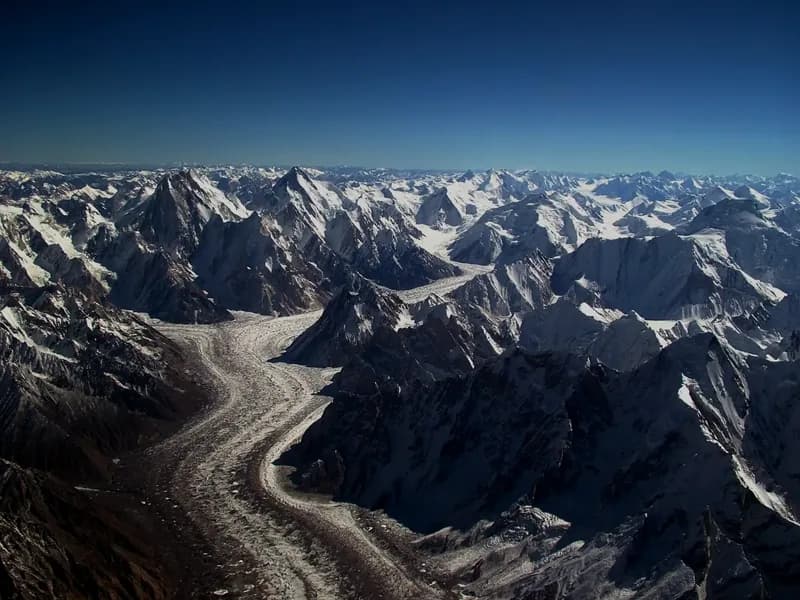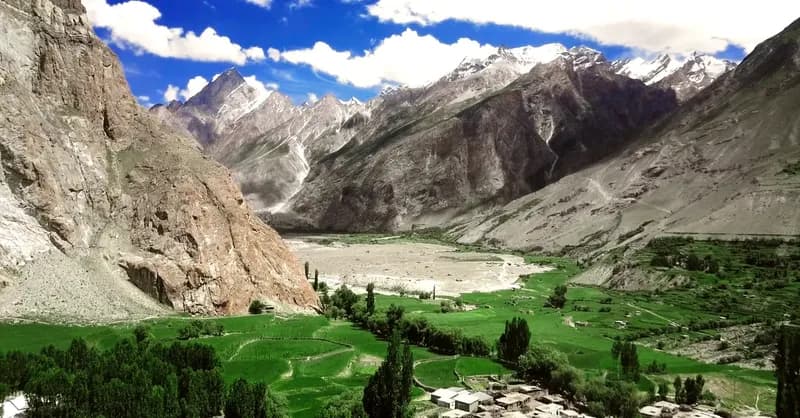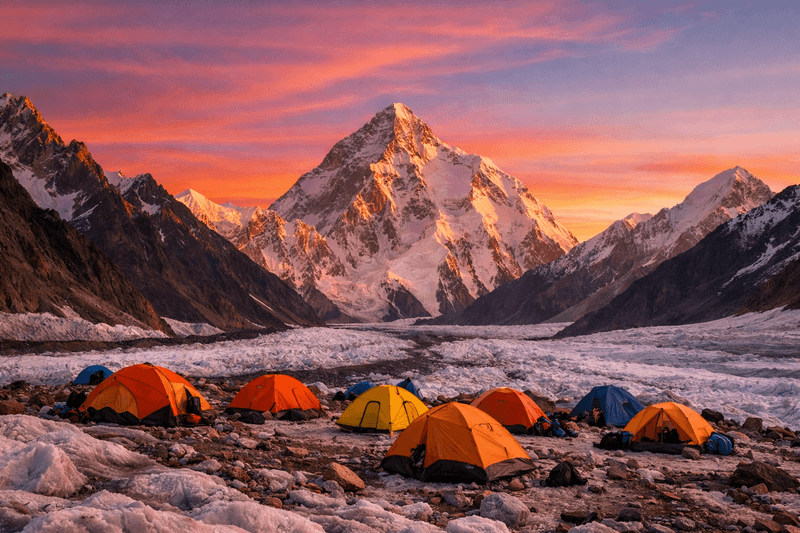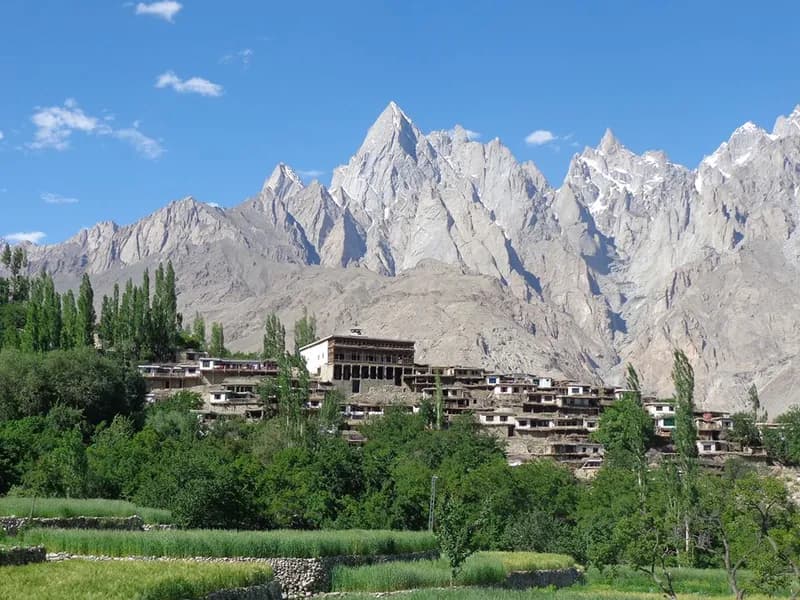
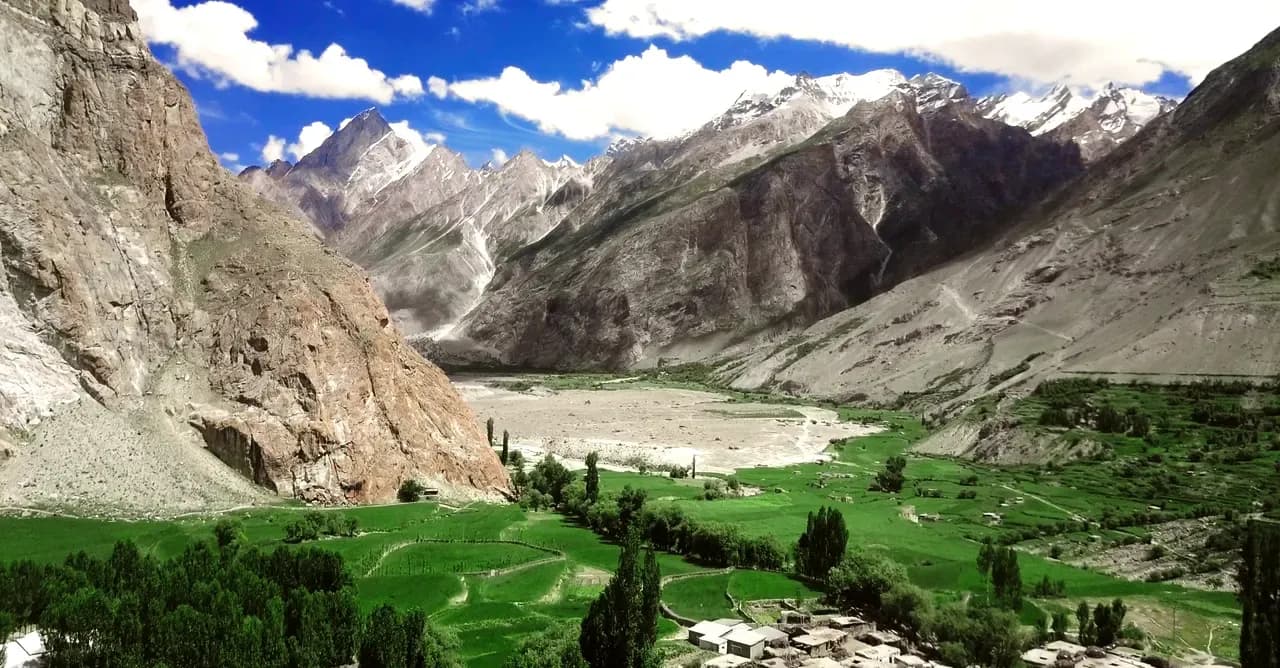
For many visitors, Askole exists for one day: a final equipment check before the Baltoro or Biafo. When the last trekking groups return and the roadhead becomes quiet, the village does not close. Families turn toward harvest, storage, repairs, schooling, animals and the long practical work of winter.
This note describes a seasonal pattern, not every household in the same way. Winter experience changes with weather, road condition, family resources and location within the valley.
Preparation starts before the cold
Autumn is the time to secure food, fodder and fuel; repair roofs and walls; protect water lines; and decide which supplies must come from Shigar or Skardu. A missing item becomes harder and more expensive to replace after snow, ice or a landslide affects the road.
The trekking season can influence that preparation. Wages earned as a porter, cook, guide, driver or supplier help households buy winter goods and meet education or health costs. A cancelled or poor season therefore reaches far beyond tourism businesses.
Food, animals and stored work
Fields that appeared green to summer visitors have to support households through months when little grows. Grain, potatoes and other produce are stored; fodder is managed for livestock; and food preservation extends the harvest. Animals still need daily care regardless of temperature.
Household labour is continuous and often unevenly shared. Cooking, fuel, water, child care and animal work do not pause because the expedition economy has paused.
Heat and energy
Winter warmth is a health and resource issue. Wood and other fuels cost labour and money, while smoke from inefficient stoves can damage indoor air. Better stoves and insulation can reduce demand, but solutions need to suit local buildings, cooking practices and repair access. A technology that cannot be maintained in the valley is not a complete answer.
Electricity and charging may be limited or interrupted. Households prioritise lighting, communication and essential devices, not visitor expectations of continuous power.
Water does not become simple in winter
Cold can freeze pipes and small channels. Collecting water may take longer, and storage must be kept clean and usable. The same irrigation systems repaired in spring and summer remain part of planning for the next growing season.
Climate variability can add uncertainty. A warm spell, unusual snowfall or damaged channel changes the work, but residents do not need outsiders to turn every difficult winter into a dramatic climate claim.
Roads, health and school
The Askole road has transformed access, yet it remains exposed to mountain hazards. Winter travel can be delayed, and a medical referral to a larger centre depends on road, vehicle, weather and money. Families therefore plan medicines and appointments where possible before access becomes harder.
Schooling continues within the realities of distance, cold, heating and household responsibilities. Older students may study outside the village, creating additional travel and living costs for families.
What happens to expedition workers
Some people take other work in Skardu or elsewhere. Others focus on farming, animals, construction, equipment repair or family responsibilities. Guides review the past season, maintain communications and prepare documents and bookings for the next one. Expedition knowledge grows in winter too: through repair, accounting, training and conversations about what changed on the route.
Visiting with respect
Winter is not a tourism performance. Ask before photographing homes or people. Confirm that accommodation and transport genuinely operate in the season. Carry suitable clothing and personal supplies, and do not expect a household to consume scarce fuel or food without fair payment.
The most respectful way to understand Askole is to stop treating it only as the place where a famous trek begins. Summer expeditions are one part of a full village year.
Frequently asked questions
Does Askole become empty in winter?
No. Travel and seasonal work patterns change, but Askole remains a living village.
Is the road always open?
No road schedule is guaranteed; snow, ice, rockfall, landslide and maintenance can affect access.
Can tourists visit in winter?
Only with current local advice, realistic transport and accommodation, and respect for limited household and village resources.
End of field note
Continue your research.
Browse all notes