01
Askole
Where the route becomes personal
Askole is the last permanent village before the classic Baltoro approach. It is where porter teams assemble, loads are organised, and an itinerary becomes a real field movement.
K2 Expeditions & Trekking Announces Strategic Partnership with Namla Expeditions

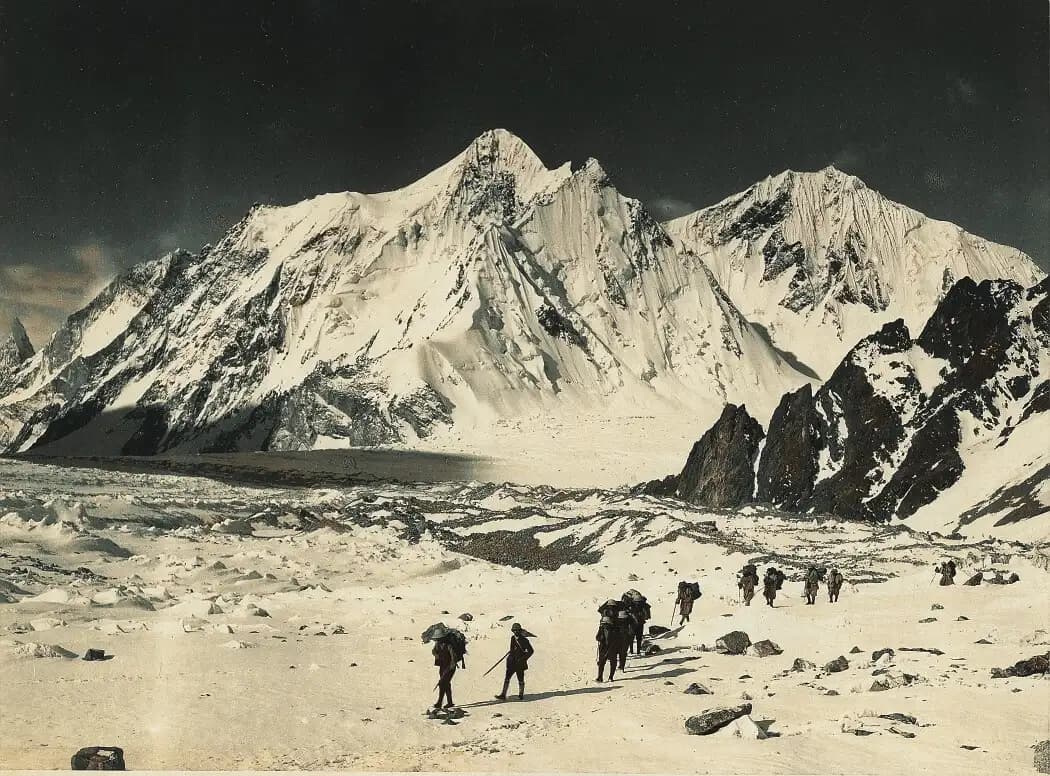
Askole · Gilgit-Baltistan
About Namla Expeditions
An independently registered expedition operator built around Askole and Skardu field knowledge, direct logistics, and carefully managed Karakoram teams.
Why the name changed
Namla Expeditions was created as an independent identity for the same kind of work our people have done for years: moving teams safely and responsibly from Skardu, through Askole, and into the Karakoram.
The company is new; the work behind it is not. Members of the operating team and field network gained their experience through earlier Karakoram operations, including K2 Expeditions & Trekking, which was formally founded in 2012. Those expeditions belong to that company’s history. Namla carries forward the people, working knowledge, and responsibility—not another company’s record.
We chose a distinct name because we wanted a clearer way to work: direct communication with the people planning the route, controlled team sizes, and an operation designed around the actual objective rather than a catalogue package. The name marks that independent direction.
That direction is deliberately local. Planning begins with the realities of the route: the road and weather window, permits and cargo, the strength and experience of the team, porter movements, camp systems, communication, and the decisions that may have to change once everyone is in the field.
The meaning of Namla
The name is derived from Balti, the language of the communities from which our field story begins. It reflects height, passage, and purposeful movement through mountain terrain.
01
Where the route becomes personal
Askole is the last permanent village before the classic Baltoro approach. It is where porter teams assemble, loads are organised, and an itinerary becomes a real field movement.
02
Where the operation comes together
Permits, food, fuel, cargo, vehicles, equipment checks, and team briefings are coordinated in Skardu before departure toward the Braldu Valley.
03
The independent chapter
Namla connects those two bases in one accountable chain, keeping the client conversation close to the people who must deliver the plan in the field.
The story behind the company
We believe a real company story should say what is new and what came before. Namla is independently registered. Its capability comes from people who already knew the Karakoram work, while its record is being built under its own name.
Families from Askole worked as porters, cooks, guides, drivers, and logistics hands. Knowledge of loads, camps, river crossings, glaciers, and weather was learned by doing the work and passed from one season to the next.
This was practical knowledge: how to prepare a load, read a changing approach, support a camp, and look after people far beyond the road end.
K2 Expeditions & Trekking was formally founded in 2012 to organise Karakoram journeys through a local operating structure.
That date and those journeys belong to the earlier company. They are part of our team’s professional background, not Namla’s corporate record.
The earlier operation developed practical systems for K2 Base Camp, Baltoro, Concordia, and Gondogoro La journeys—from porter loads and camp supplies to transport and route coordination.
Repeated seasons turned individual lessons into connected systems for access, resupply, communication, staff movement, and changing field conditions.
Route memory grew into expedition coordination, and expedition coordination grew into modern planning for international teams.
What stayed constant was proximity: Askole at the gateway, Skardu as the field hub, and local crews carrying the plan beyond both.
Namla Expeditions now operates as its own registered identity, focused on direct planning, private and specialist teams, and one connected chain from the first brief to the field.
The new name creates a clear line of accountability: Namla will build its own record through the journeys it plans and operates under the Namla identity.
The present-day operation begins by understanding the route, season, team experience, support requirements, and acceptable margins—not by forcing an objective into a standard package.
From there, permits, transport, staff, cargo, camps, food, communications, and field decisions are designed as one plan.
Operating direction
The story is practical: preparation in Skardu, route access through Askole, local crews in the field, and decisions made from current conditions.
We do not present inherited experience as a substitute for present-day work. It is the foundation that helps us ask better questions, prepare more carefully, and recognise when a plan needs to change.
Namla’s story will be written journey by journey: in honest advice before a booking, disciplined preparation before departure, and accountable support from the first load out of Skardu to the team’s return.
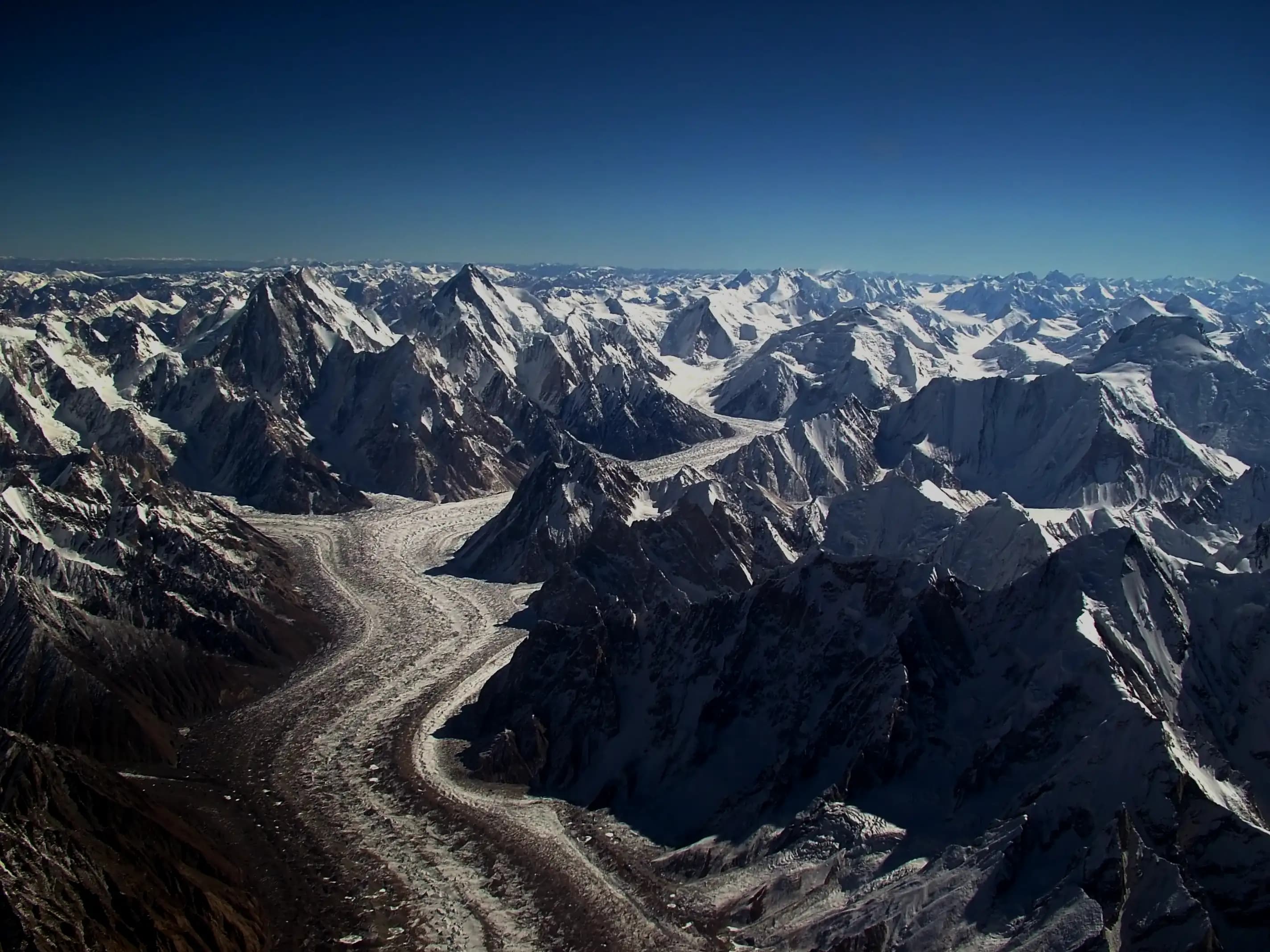
Independent by structure · local by operation
Namla is designed for private and specialist objectives rather than volume tourism. The client conversation and the field operation are not separated by marketplace layers.
01
Route, season, experience, team profile, and live conditions define the plan.
02
Permits, transport, staff, loads, camps, and communication remain connected.
03
Information stays close to the guides and coordinators working on the route.
04
Private and small teams receive direct operational attention.
Family · place · continuity
This describes the family and field heritage behind Namla—not the legal age of the company.
01 · First generation
Approaches, valleys, seasonal movement, camp locations, weather, and mountain communities.
02 · Second generation
Porters, cargo, supplies, camps, logistics, and expedition coordination.
03 · Third generation
International communication, permits, safety preparation, and private expedition design.
Begin with the objective
Share the objective, timing, team profile, and support required. We will respond with feasibility and the next operational steps.