In this field note13 sections +Close −
- 01Visa, invitation letter and permit are different documents
- 02Which Pakistan visa category should I use?
- 03Documents commonly required
- 04What a genuine letter of invitation contains
- 05Step-by-step visa process
- 06Processing time: why we advise starting early
- 07Trekking and mountaineering permits
- 08Common application mistakes
- 09Insurance belongs in the same planning sequence
- 10Arrival in Pakistan and Skardu
- 11Document checklist
- 12Internal planning links
- 13Frequently asked questions
A Pakistan visa, a letter of invitation and a trekking or mountaineering permit are connected, but they are not the same document. Confusing them is the most common administrative mistake we see before Karakoram trips.
The visa allows entry for an approved purpose and period. A letter of invitation—often called an LOI or sponsor letter—supports the application and confirms the local operator and itinerary. A trekking or climbing permit authorises the regulated activity or objective. Depending on the route, additional national park, environment, security, liaison and insurance documents may apply.
This guide was reviewed in August 2026. Visa interfaces, document lists, fees and processing procedures can change. Always use the official Pakistan Online Visa System and follow the requirements shown in your own application account.
Operations advice: Begin the process early, but do not submit guessed dates, the wrong category or a generic invitation bought from an unrelated company. Correcting inconsistent records usually takes longer than preparing them properly.
Visa, invitation letter and permit are different documents
Document | What it does | Who issues it |
|---|---|---|
Pakistan visa | Authorises entry for the approved purpose and dates | Government of Pakistan through the official visa system |
Letter of invitation | Supports the application and identifies sponsor, traveller and itinerary | The designated licensed Pakistani operator |
Trekking permit | Authorises a regulated trek or restricted/protected route | Relevant Gilgit-Baltistan authority after formalities |
Mountaineering permit | Authorises an expedition to a specified peak | Relevant Gilgit-Baltistan authority after formalities |
Park/environment documents | Covers applicable entry, waste or environment requirements | Park or government authority through the operator |
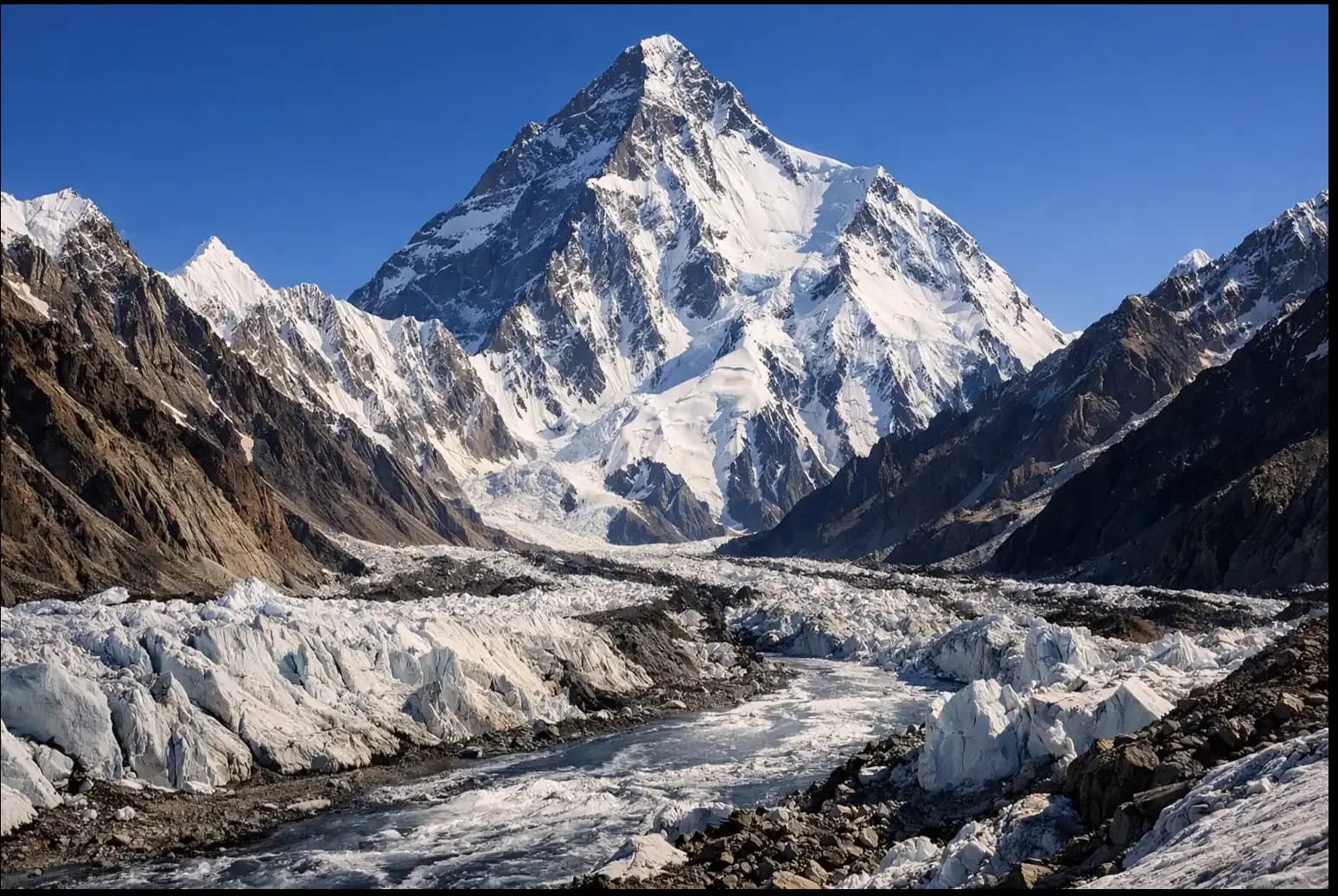
A visa is not permission to climb K2. A K2 Base Camp trekking permit is not permission to attempt nearby Broad Peak. An invitation letter is not a visa approval. Each document has its own authority and purpose.
Which Pakistan visa category should I use?
Use the category that accurately describes the main activity. The official visa system provides a mountaineering and trekking route and may list eligible treks, peaks and designated operators. Categories and questions can differ by nationality, residence, intended activity and current policy.
Do not select ordinary sightseeing because it appears easier if the principal purpose is a regulated trek or expedition. A mismatch between category, LOI and itinerary can lead to questions or delay. Equally, do not select mountaineering for a trek simply because the route reaches a high altitude.
The portal account is the authority for the exact upload list. Screenshots and blog posts from previous years may not reflect the current interface.
Documents commonly required
Applicants should prepare clear, consistent records. Common requests include:
- Passport scan with sufficient validity and blank pages
- Recent passport-style photograph meeting portal requirements
- Letter of invitation or sponsor letter from the designated operator
- Operator licence or registration information
- Complete itinerary and named trek or peak
- Hotel, contact or local address information
- Group-member or permit details where applicable
- Proof of legal residence when applying outside the country of nationality
- Climbing résumé for mountaineering objectives
- Insurance or undertaking documents for permit processing
Additional material can be requested. Supply exactly what is asked for and keep file names readable. Blurred phone photographs, cropped passport numbers and compressed scans often create avoidable review messages.
What a genuine letter of invitation contains
An LOI confirms a real operating relationship. It normally identifies the traveller, passport, nationality, intended dates, activity, general itinerary, local operator and relevant licence details. It should match the booking and the information entered in the visa application.
Before issuing an LOI, we normally require:
- A confirmed journey or expedition agreement
- A clear passport scan
- Correct dates and arrival plan
- Full name exactly as shown in the passport
- Nationality and passport expiry
- Route, trek or peak selection
- Team details and climbing résumé where relevant
An invitation letter should not be sold as an isolated document for an itinerary the issuer will not operate. The sponsoring company may be contacted and has responsibilities connected to the visitor and route.
Step-by-step visa process
1. Confirm the route with the operator
Choose the exact K2 trek, Snow Lake journey, climbing peak or other activity. Check dates, maximum altitude, technical character and expected entry/exit points. This establishes the correct supporting documents.
2. Check the official portal
Create or use your own account on the government website. Read the current category guidance for your nationality and residence. Avoid commercial sites designed to resemble the official portal.
3. Prepare consistent files
Match spelling, passport number and dates across the application, LOI, itinerary and booking. Use the passport’s machine-readable details where applicable rather than a nickname or shortened form.
4. Submit and monitor the account
After submission, check messages regularly. A request for review is not completed by emailing the operator alone; the applicant may need to respond through the portal.
5. Verify the issued visa
Check name, passport number, entry type, validity, stay period and approved purpose immediately. Report an error before travel rather than assuming immigration will correct it at arrival.
6. Keep digital and paper copies
Carry the visa, LOI, itinerary, insurance and emergency contacts offline. Mobile data may not be available when an airline or checkpoint requests them.
Processing time: why we advise starting early
Published government guidance and live portal estimates can differ because they refer to different stages or cases. The Gilgit-Baltistan Directorate of Tourist Services lists separate permit processes, while a recent PTDC mountaineering and trekking publication advises submitting some trekking permit applications well in advance.
For a major trek or expedition, we recommend starting the full document process at least three months before departure, and earlier for complex climbing teams. That is planning advice, not a promise of processing time. Nationality checks, holidays, incomplete uploads, team changes and official queries can extend the process.
Do not buy a tightly restricted international ticket on the assumption that a visa will arrive by a particular date. Use changeable arrangements where practical.
Trekking and mountaineering permits
Permit requirements depend on activity, zone and objective. Routes close to borders or inside protected areas can require formal permission even when the activity is trekking. Peaks above regulated thresholds require mountaineering permits and associated fees and documents.
The local operator normally coordinates:
- Participant and passport lists
- Route or peak application
- Government correspondence and required fees
- Guide or liaison documentation
- Porter and staff insurance formalities
- Environmental, park and waste requirements
- Briefing and debriefing where applicable
- Emergency undertakings or proof of cover
Do not rely on an old royalty table copied from a forum. Fees and concessions can change by season, peak height, nationality, team size and government notification.
Common application mistakes
Wrong activity category
The visa says tourism while the documents describe a regulated climbing expedition, or mountaineering is selected for a non-climbing journey.
Names do not match
Middle names, order, spaces or transliteration differ between passport, LOI and form. Copy carefully and ask before guessing how a portal field should be used.
Dates contradict the itinerary
The requested stay ends before the planned road or flight contingency period. Include realistic arrival, briefing and exit time.
Poor passport scan
Glare, cropped edges, unreadable numbers or fingers covering the page can lead to another request.
Applicant misses a portal message
Email filters can hide notifications. Log in directly and check status rather than waiting passively.
Team changes after permit work begins
Late additions and passport changes can restart parts of the process. Finalise the team as early as possible.
Insurance belongs in the same planning sequence
Insurance is not always required at the exact moment of visa submission, but it is essential expedition documentation. The policy should cover Pakistan, the complete travel period, route altitude and the actual activity, including ropes, crampons, skiing or mountaineering where relevant.
Ask whether search, helicopter rescue, medical evacuation and repatriation are included, and whether the assistance provider can issue a direct payment guarantee. Government travel advice may affect cover. Send the operator the policy number and 24-hour assistance contact before leaving for Pakistan.
Arrival in Pakistan and Skardu
Carry documents in hand luggage. At immigration, answer questions consistently with the approved purpose and itinerary. Do not describe a climb as “just sightseeing” to simplify a conversation.
In Skardu, the operator completes final briefings, equipment checks and current permit formalities. Passports or copies may be required for checkpoints. Keep patience with verification; regulated mountain access passes through sensitive areas and documents can be examined more than once.
Document checklist
Before applying
- Passport validity checked for the intended travel period
- Correct activity and route confirmed
- Booking and operator sponsorship confirmed
- Clear passport scan and compliant photograph prepared
- Names and dates consistent across all records
After submission
- Portal account checked regularly
- Additional requests answered promptly
- Operator told about any official query
- Issued visa details verified line by line
- Copies stored offline and printed
Before leaving home
- Visa, passport, LOI and itinerary in hand luggage
- Insurance wording and emergency number available offline
- Operator contact and Skardu address saved
- Permit status confirmed with the operator
- No unreported passport or team changes
Internal planning links
The K2 Base Camp Trek, K2 Expedition and Snow Lake and Hispar La Trek each require different operational documents. Continue with how to apply for permits, current permit-fee guidance and travel insurance and helicopter rescue.
Frequently asked questions
Do I need a letter of invitation for a Pakistan trekking visa?
The official portal may require sponsorship or operator documentation for the category and route. For regulated Namla journeys, we provide the relevant LOI after receiving the booking and correct passport details.
Can I buy an LOI without booking an expedition?
A genuine LOI should support a real itinerary operated or sponsored by the issuer. Buying an unrelated generic letter can create inconsistent records and leaves unclear who is responsible for the route.
Is an LOI the same as a visa?
No. The operator issues the LOI; the Government of Pakistan decides the visa application.
How early should I apply?
Start the full documentation process at least three months before a major trek and earlier for complex mountaineering teams. Follow the latest official portal instructions because processing varies.
Does a trekking visa include a climbing permit?
No. A visa allows approved entry. A mountaineering permit separately authorises the named climbing objective after required formalities.
Can Namla guarantee visa approval?
No operator can guarantee a government decision. We can provide accurate sponsorship documents, coordinate route permits and help the applicant avoid common inconsistencies.
End of field note
Continue your research.
Browse all notes