In this field note9 sections +Close −
In the Karakoram, rescue is often imagined as a helicopter appearing above a camp. The real system begins much earlier: conservative planning, honest health reporting, trained field staff, communications, insurance documents and a ground option. An aircraft may become part of that system, but it is never the whole plan.
The first response happens in the field
The guide assesses immediate danger, provides first aid and decides whether the casualty should rest, descend or be moved away from an exposed place. The team records condition, location, altitude and timing. Small details matter because a remote operations base or doctor cannot examine the person directly.
Early reporting creates choices. Hiding severe headache, confusion, poor coordination, breathlessness at rest or persistent vomiting can turn a controlled descent into a crisis.
Communication is a chain
Radios connect the walking team and camps. Satellite devices or phones may connect the field to Skardu. The operations team then contacts the relevant assistance, insurance, aviation, medical and government channels. A device is only useful when everyone knows who receives the message and what information they need.
The emergency file should include passport details, policy number, assistance telephone, medical information and family contact before departure.
Insurance approval is not flight approval
An insurer or assistance company may need medical evidence and may issue a payment guarantee. The Gilgit-Baltistan Tourism Department advisory stresses insurance responsibilities for climbers and supporting porters. Even after financial authorisation, aviation staff must judge weather, daylight, altitude, landing terrain, aircraft performance and crew availability.
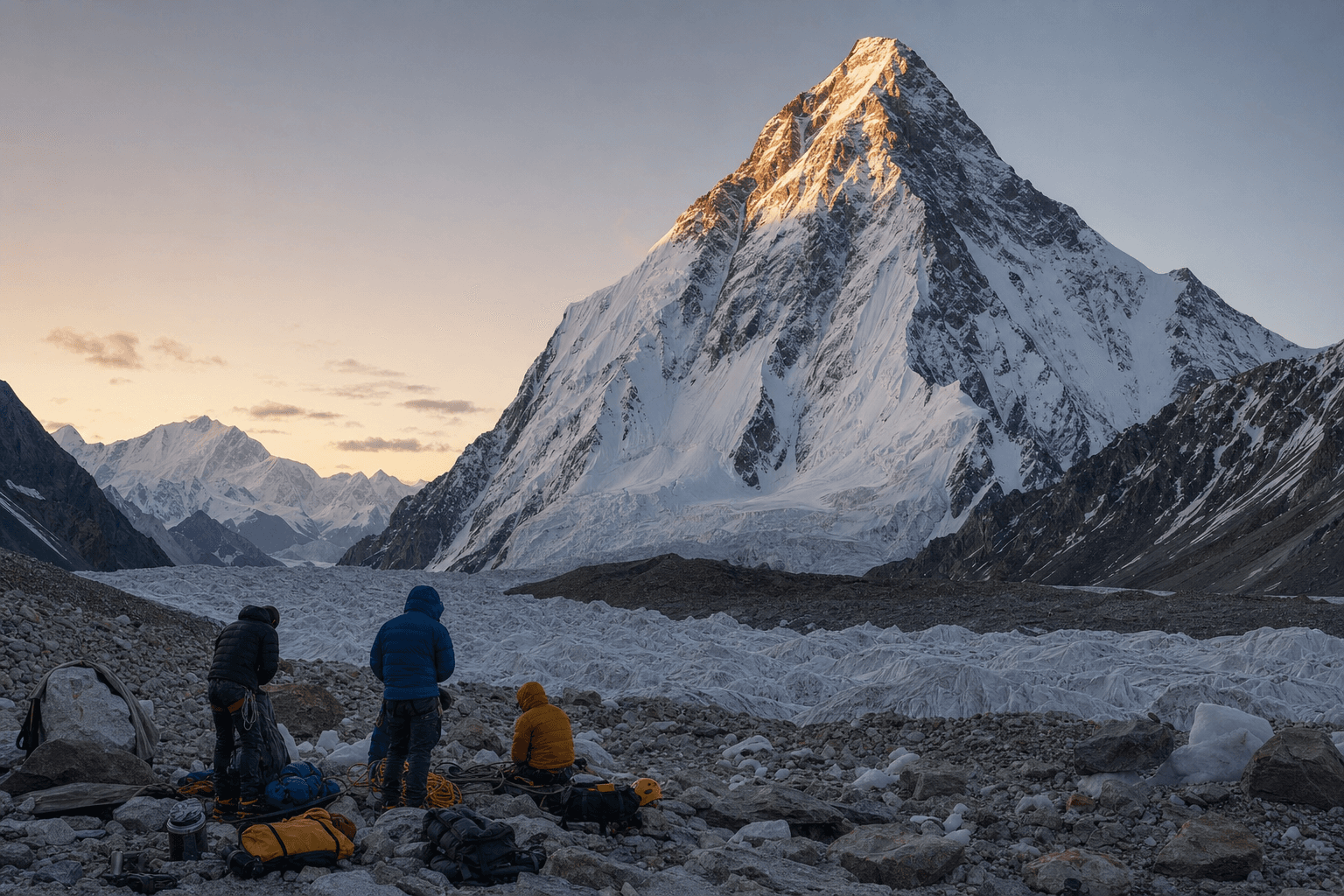
A clear sky at Concordia does not mean the full route from Skardu is clear. Cloud or wind in an intervening valley can stop the flight.
A helicopter cannot land everywhere
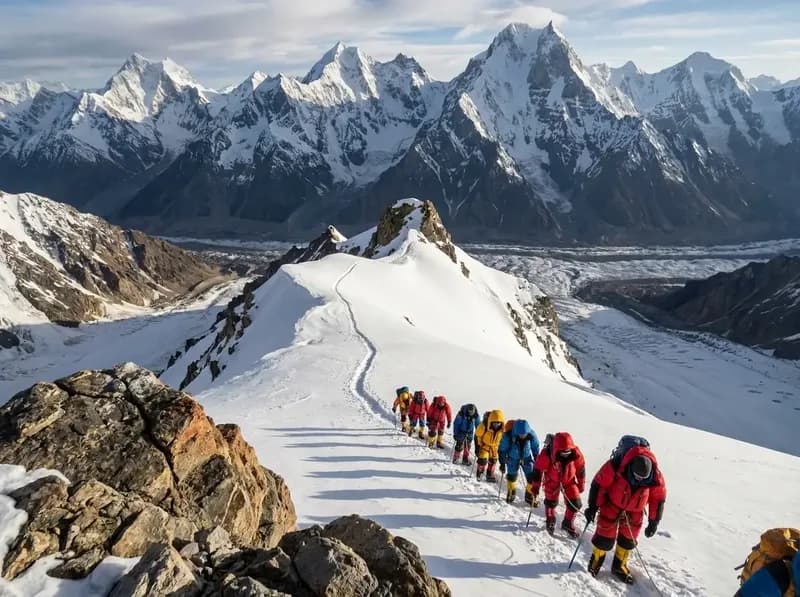
The casualty may have to descend or be carried to a safer landing place. Loose equipment and people must be controlled around an aircraft. At very high altitude or on technical terrain, direct pickup may be impossible. Search, recovery and medical evacuation are different operations with different risk.
No ethical operator should sell “guaranteed helicopter rescue.”
The ground plan
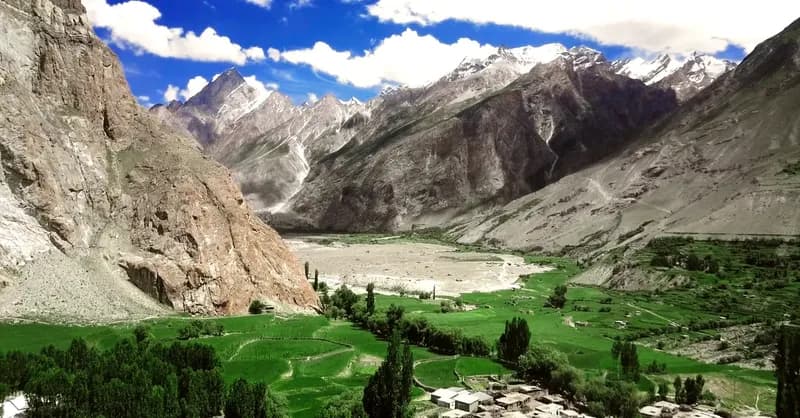
When flight is delayed or impossible, the team may stabilise the patient in camp, arrange assisted walking, use a stretcher, recruit additional porter support or move toward the roadhead over several days. Below Askole, a jeep and then road ambulance or private vehicle may still be needed. Reaching Skardu may be only the first stage before hospital care or transfer to Islamabad.
Ground movement is slower, which is why fitness, acclimatisation, staffing and contingency supplies are part of rescue preparation.
Rescue affects local workers too
Porters, guides and cooks face the same altitude, illness and injury hazards. Their insurance, equipment and evacuation rights must match the role. A sick worker should not be forced to keep carrying. The plan should cover assessment, treatment, accompaniment, wages and safe return.
Prevention is not risk denial
Acclimatisation, hygiene, route margins, weather decisions and load control prevent many emergencies. They cannot remove avalanche, rockfall or sudden illness. A professional briefing is honest about both prevention and residual risk.
Before leaving Skardu, verify:
- Insurance names Pakistan, the route, maximum altitude and activity.
- Search, rescue, medical evacuation and repatriation terms are understood.
- The 24-hour assistance number works from Pakistan.
- Critical medication stays in the daypack.
- Communications and the ground evacuation chain are clear.
- Every staff role has appropriate cover.
After evacuation
An incident is not finished when the casualty leaves the mountain. Medical handover, family communication, documentation, payment and support for other team members continue. The operator should record the timeline and review what can improve without turning the casualty into promotional content.
Frequently asked questions
Is helicopter rescue guaranteed with good insurance?
No. Insurance may authorise and fund an eligible mission; weather and aviation conditions still decide whether an aircraft can fly.
Who decides that someone should descend?
The field leader acts on symptoms, route and available medical advice. Participants agree to respect safety decisions when joining the expedition.
What is the most important action for a participant?
Report symptoms and incidents early. Delayed reporting removes safer options.
End of field note
Continue your research.
Browse all notes