In this field note9 sections +Close −
Climate change does not redraw every Karakoram route in the same direction. It changes the range of conditions a team may meet: hotter approach days, rain at different elevations, weaker snow bridges, stronger meltwater, exposed rock and access damage. The operational lesson is not that every route is becoming impossible. It is that historical dates and lines need more frequent verification.
The route starts on the road
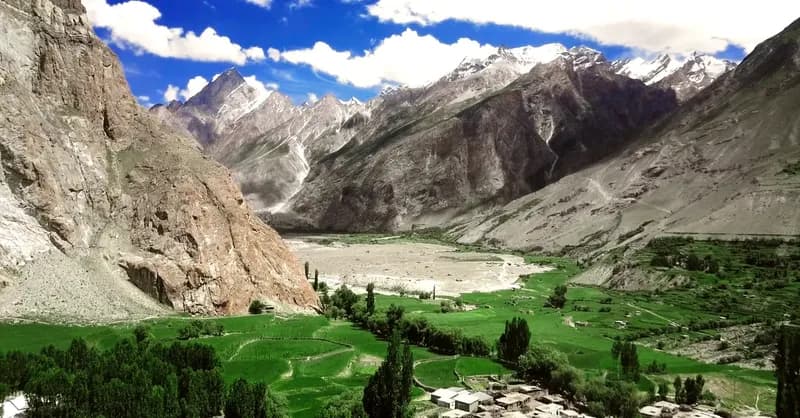
Trekking risk begins before Askole. Flood, river erosion and landslide can interrupt the narrow road from Skardu through Shigar and the Braldu Valley. If vehicles stop early, an extra walking and porter stage may be needed. That affects food, loads, staff pay and the number of days available for acclimatisation.
A rigid itinerary can turn an access delay into pressure later. Contingency time protects the route better than optimistic driving estimates.
Heat changes timing and effort
Lower approaches can be extremely hot in direct sun. Heat increases water demand and can make afternoon streams stronger. On snow, warmth reduces surface strength and may weaken crevasse bridges. Earlier starts can help, but camp logistics and the terrain ahead still determine the safe schedule.
Porter workload must be reconsidered when detours, heat or road damage add effort. Climate adaptation that protects guests while ignoring workers is incomplete.
Snow can arrive differently
Fresh snow may hide tracks and crevasses, load avalanche slopes and slow porters. A low-snow period may expose ice and wider holes. Rain on snow can accelerate runoff. Teams need current observations rather than assuming a pass will match the same week in a previous year.
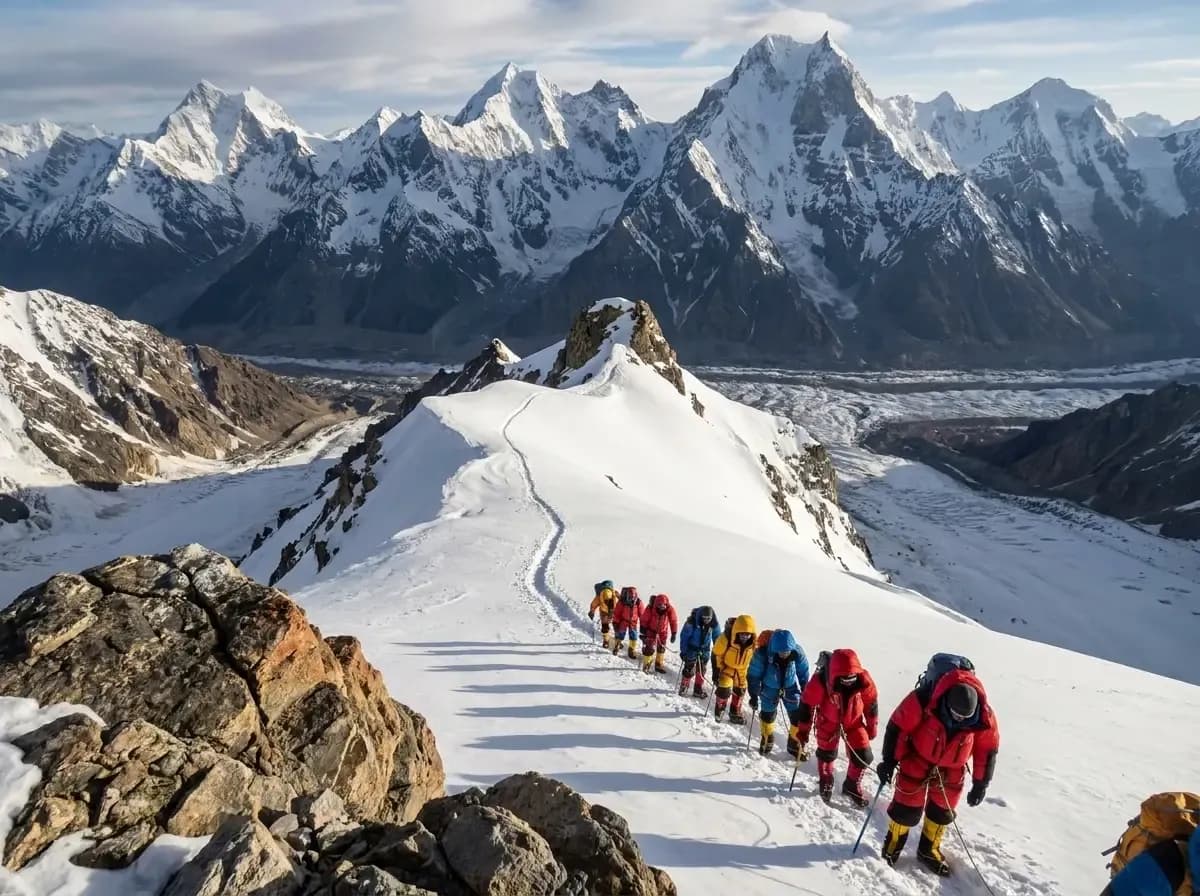
On Gondogoro La, Biafo, Hispar and climbing routes, rope condition, snow firmness and turnaround timing require direct assessment. No crossing is guaranteed.
Rockfall and ice hazards
Warming can expose loose rock or reduce ice that binds fractured faces, but local geology and weather control the immediate event. Climbers should avoid simplistic claims that a particular rockfall was “caused by climate change.” They should still adapt tactics: move during safer temperature windows, reduce time below exposed terrain and accept that an old line may no longer be reasonable.
Glaciers move regardless of climate. Continued melt and changing snow add to the evolution of moraine, ice cliffs, lakes and drainage. A GPS track cannot certify an active surface.
Camps and water are part of the route
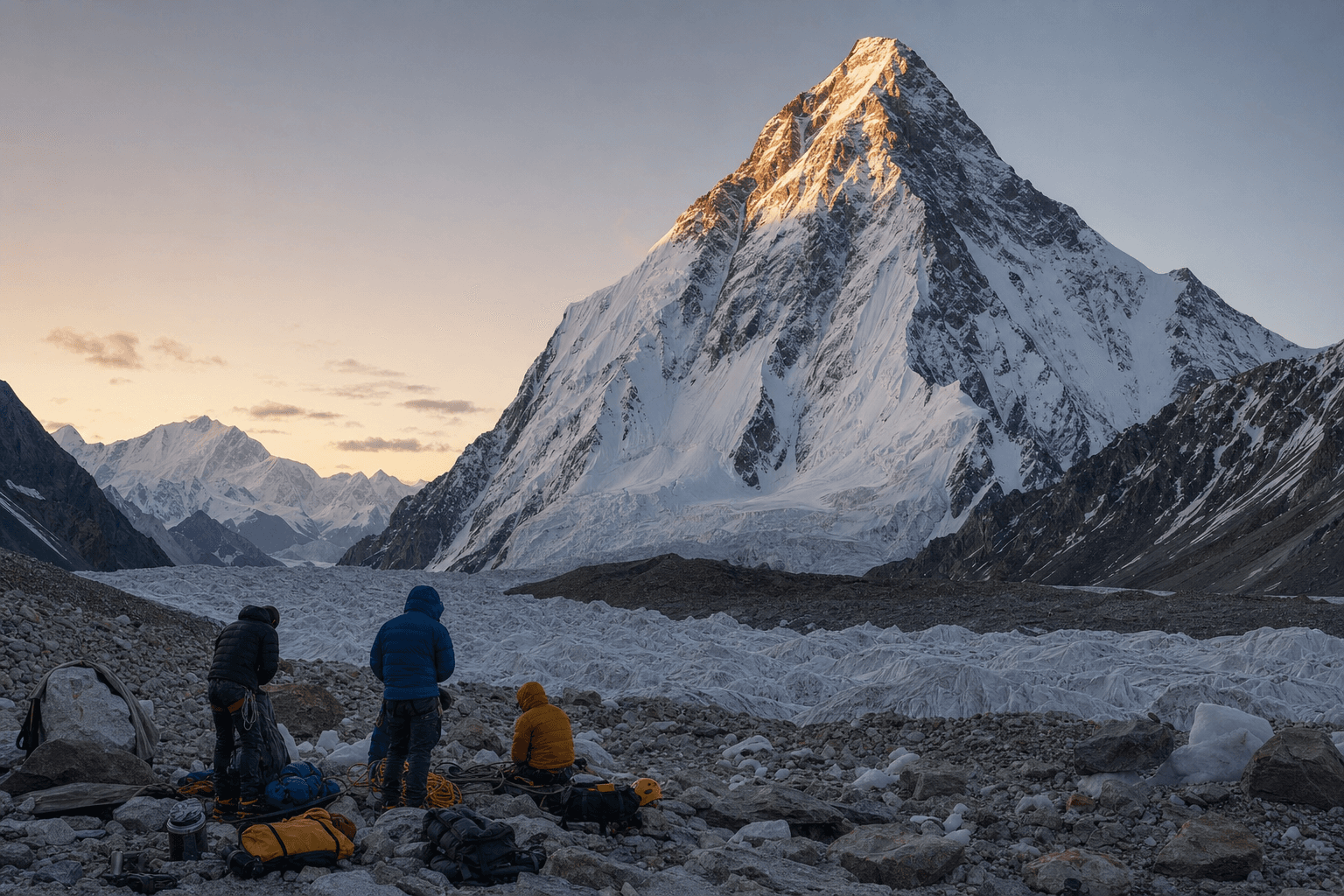
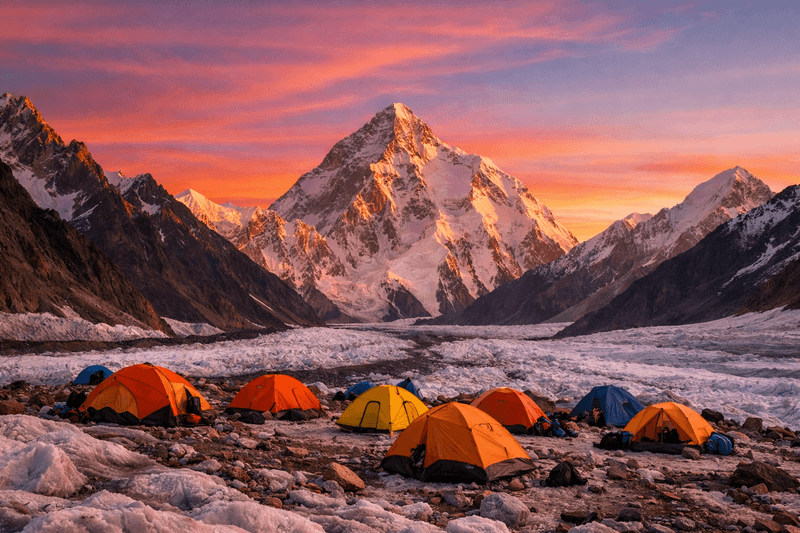
Subsidence can make old glacier camps uneven or unsafe. Floodwater can affect established sites beside rivers. Water sources may become more sedimented, stronger in afternoon or unavailable during cold. Camp selection should protect water quality and avoid channels that only look dry at arrival.
Rescue options may also be affected
Weather that creates the incident may ground a helicopter. Cloud between the casualty and Skardu matters even when the camp is clear. Flood or road damage may slow a ground evacuation below the glacier. The route plan therefore needs communications, medical capability, staff support and an exit option that does not assume immediate flight.
A climate-aware operating method
- Use seasonal history to choose a window, not to promise conditions.
- Gather recent road, river, glacier and snow reports.
- Keep acclimatisation and contingency days protected.
- Carry backup water treatment, power and communication.
- Budget extra food, fuel and staff pay for delay.
- Record route deviations and share significant hazards.
- Give the field leader real authority to turn around.
What guests should expect
A responsible operator may change a camp, start time, crossing or objective. That is not failure to deliver the brochure. It is the delivery of a professional decision under current conditions.
Guests can help by arriving fit, keeping baggage controlled, reporting symptoms, carrying essential layers and accepting conservative choices. The summit or pass remains optional; a safe return is the obligation.
Frequently asked questions
Is the Karakoram trekking season getting shorter?
There is no single fixed change across every valley. Heat, snow, rain and access vary; current verification matters more than a universal new date.
Can satellite imagery replace route scouting?
No. It can reveal large changes, but local surface, stream and snow conditions still require recent reports or direct assessment.
Should I avoid glacier treks because of climate change?
Not automatically. Choose experienced local support, realistic margins and an itinerary that permits route changes.
End of field note
Continue your research.
Browse all notes