In this field note9 sections
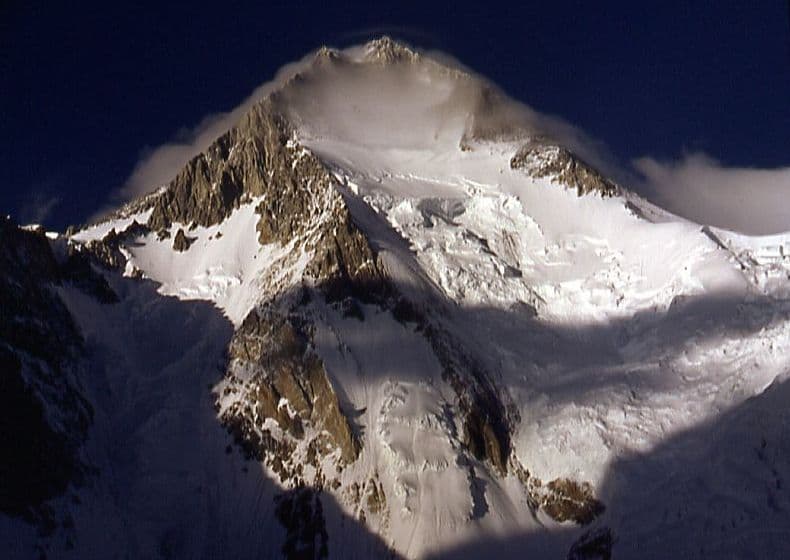
Gasherbrum I requires a proposal that connects local logistics to the team's climbing responsibilities. Combining it with Gasherbrum II adds another objective to that agreement; a shared approach does not turn two climbs into one permit, one set of supplies or one guaranteed schedule.
The current Gasherbrum I expedition lists 50 days and describes an objective for experienced high-altitude climbers. Use the journey page for the current itinerary and enquiry, and use this guide to define the budget and service boundaries before accepting a quote.
Contents
- Budget and service options
- Permits, cargo and approach logistics
- Base camp and the work above it
- Planning G1 and G2 together
- Recovery, weather and a cancelled second objective
- Quotation checklist
- Frequently asked questions
- Request a logistics proposal
Budget and service options
No verified fixed G1 rate is published in this guide. Ask for a dated proposal covering your exact team, dates and service level. The useful distinction is between administration and transport, the approach and base camp, and the climb above base camp. Each has different staffing, equipment and duration costs.
Budget component | Detail to request | Boundary to resolve |
|---|---|---|
Administration | Named permissions, official charges, liaison work and documentation | Which costs are included and which await current confirmation |
Cargo and transport | Receiving location, freight handling, domestic travel and approach vehicles | Shipment handling versus passenger transport |
Approach and return | Camp support, personal loads, shared equipment and return porterage | Allowances, excess and changed departure dates |
Base camp | Tents, kitchen, crew, food, storage, communications and waste return | Duration, capacity and extra days |
Climbing services | Staff roles, camps, carries, tents, food, fuel and any oxygen arrangement | Separate included, optional and team-supplied work |
Second objective | Additional documentation, time, supplies and above-base-camp tasks | A distinct G1–G2 scope rather than an informal add-on |
Personal expenses | International travel, insurance, personal kit, tips and contingency | Separate budget unless expressly itemised as included |
Ask whether the quote remains valid if a member withdraws or the proposed objective changes. Shared infrastructure may avoid some duplication in a combined plan, but those savings should appear in the actual proposal. Do not assume a fixed discount or that additional climbing days are free.
Permits, cargo and approach logistics
Give the operations team the objective, proposed route, dates and complete team details early. Ask which permissions and documents apply to each objective and who will check the issued scope. The permit application guide and visa and invitation guide carry the detailed administrative discussion. Current authority requirements must be checked for the actual expedition; this article quotes no fee or guaranteed processing period.
Prepare a manifest with item descriptions, quantities, packed weights, owners and special-handling needs. Confirm receiving and release responsibilities before dispatch. Follow the cargo guide for the handover chain and the porter-load guide for approach and return allowances. Airline baggage, international freight and porter loads are different calculations.
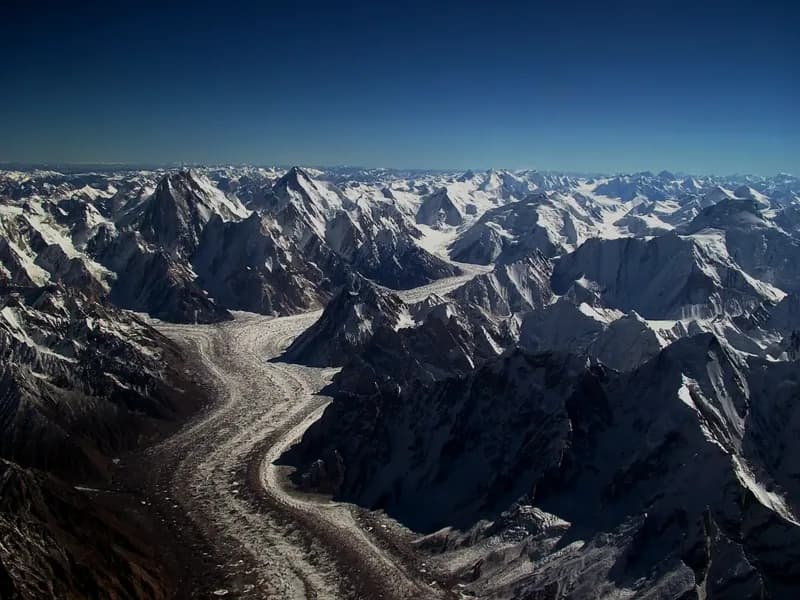
The approach through the Baltoro needs food, fuel, camp loads and staff planning. A late bag containing essential climbing equipment can affect mobilisation of the whole team. Agree what must arrive before movement, who tracks missing items and who can authorise replacements. Do not assume equipment can be purchased locally at short notice.
Base camp and the work above it
Base camp services should identify occupancy, meals, staff, power, communications, storage and the final supported date. Equipment above base camp needs a separate schedule naming its owner, supplier, carrier and removal responsibility. An item available at base camp has not necessarily been delivered to a high camp.
Namla's public journey describes glacier travel, fixed lines, steep snow and mixed high-altitude terrain. Ask the leader to assess your experience against the actual proposed route. Discuss climbing staff and rope arrangements separately; the fixed-rope guide explains why a shared contribution is not equivalent to personal support.
Send a climbing record with altitude, nights slept high, technical terrain, expedition duration and the role you performed. Explain previous retreat decisions and how you managed yourself in cold camps. Fitness, technical preparation and individual medical suitability all need attention. G1 is not an appropriate place to substitute enthusiasm for missing mountaineering experience.
Planning G1 and G2 together
Ask first whether Namla can offer a combined proposal for your dates and team. Do not infer availability from two separate journey pages. Then compare a single-objective plan with the combined alternative using the following questions.
Planning issue | Additional decision for two objectives |
|---|---|
Objectives and route | Which peak is the priority, and can the order change? |
Administration | Are both objectives, team members and dates correctly covered? |
Time | Where are extra climbing, recovery, waiting and return days placed? |
Supplies | What additional food, fuel, medical and equipment reserves are required? |
Staff and equipment | Which resources can be shared, and what must be separate or replenished? |
Team split | Can members pursue different plans without exceeding the agreed support? |
Cancellation | Which commitments remain payable if only one climb is attempted? |
The existing G1 versus G2 article explains the objective choice; the G2 planning guide covers that climb's individual booking questions. A combined itinerary must still account for the actual demands of each mountain.
Recovery, weather and a cancelled second objective
A first climb may provide altitude exposure while also consuming energy, supplies and equipment reserves. It does not establish readiness for the second climb. Recovery, current conditions, staff capacity and the time needed to leave the mountains must all be reconsidered. The order of objectives should follow the accepted operational plan and current assessment, not a rigid marketing sequence.
Agree decision points for abandoning the second objective. Specify who decides, how the remaining team and staff are affected, which equipment comes down and how the exit date changes. If a second climb is no longer feasible, the plan may become a one-objective expedition with a normal or revised return; it does not automatically become a different climb.
Ask for the financial treatment in advance. Official charges, staff commitments, purchased food, freight and reserved transport may already be incurred. Some later services might be adjustable, but no refund percentage is established here. Extensions also need available staff, supplies, permissions and return arrangements, not just a daily price.
Quotation checklist
- Obtain separate single-objective and combined scopes if comparing them.
- Confirm all named objectives, routes, service dates and team members.
- Reconcile base camp inclusions with above-base-camp responsibilities.
- List shared, additional and team-supplied equipment and consumables.
- Establish recovery and reassessment points without promising either summit.
- Record cancellation, extension, changed transport and unused-service terms.
- Confirm personal insurance covers the actual objectives and activities; see the insurance guide.
Frequently asked questions
What does G1 support include?
The accepted quotation defines it. Request administration, transport, approach, base camp and climbing services as separate sections so nothing above base camp is implied by a broad package name.
Can G1 and G2 be combined?
A combined proposal can be discussed, but its availability and suitability need confirmation. Neither a second climb nor a second summit is established by booking a single-objective programme.
What additional arrangements are required?
Review documentation for both objectives, extra time, supplies, staff, high-camp systems, recovery and return arrangements. The team also needs clear priorities if conditions limit the plan.
How does a combined expedition change the quotation?
It can share some approach or base camp resources while adding climbing days, administration and supplies. Only an itemised proposal shows the actual cost difference.
What if the second climb is cancelled?
Apply the agreed cancellation and change terms to costs already committed and services still adjustable. Confirm the revised exit and equipment recovery plan; no automatic refund is promised.
Request a logistics proposal
Request a G1 or combined G1–G2 logistics proposal. Send your climbing history, priority objective, dates, team size, cargo estimate and required support above base camp.
End of field note
Continue your research.
Browse all notes