In this field note9 sections
Gasherbrum II can be discussed as a first 8,000-metre objective for an already experienced mountaineer. It is not a beginner climb, and a history of high trekking alone is not evidence of readiness. The useful booking question is whether your demonstrated skills, altitude experience and chosen support match the proposed expedition.
Namla's current Gasherbrum II journey lists a 50-day programme and describes previous 6,000- or 7,000-metre climbing experience as relevant preparation. These are public suitability descriptions, not an automatic admission rule. Ask for an individual assessment before committing to flights or equipment purchases.
Contents
- What determines the quotation?
- Is G2 a suitable first 8,000-metre expedition?
- Personal skills and support boundaries
- Acclimatisation and contingency
- Gasherbrum II versus Broad Peak
- Information to send and quotation checklist
- Frequently asked questions
- Discuss your expedition options
What determines the quotation?
Begin with party size, dates, the proposed route and service start and finish points. Then distinguish transport and base camp services from work above base camp. There is no verified fixed G2 price in this article; rates, seasonal charges, staff availability and equipment supply must come from a dated written proposal.
Cost group | Specify before comparing prices | Status to record |
|---|---|---|
Administration and travel | Permissions, fees, hotels, domestic sectors and road transfers | Itemised inclusions and provisional charges |
Approach and exit | Camps, food, personal allowance, team cargo and return porterage | Included quantity and excess-cost basis |
Base camp | Tent occupancy, kitchen, crew, meals, waste, power and service days | Contracted scope and last supported date |
Climbing support | Staff roles, camps, carries, high-camp food, fuel and tents | Optional or included only as specified |
Route and oxygen arrangements | Fixed-rope contribution and any accepted oxygen plan | Separate responsibilities and supply confirmation |
Traveller costs | International travel, personal equipment, insurance, tips and personal purchases | Separate budget unless explicitly covered |
Changes | Extra days, altered return, replacement supplies and early exit | Approval process and charging basis |
Ask which costs are shared by the team and which attach to each person. A smaller party may carry more of the shared transport or camp cost per climber. An extra climber also changes loads, supplies and staffing; adding someone is not merely dividing an unchanged total by a larger number. For loads, use the porterage guide.
Is G2 a suitable first 8,000-metre expedition?
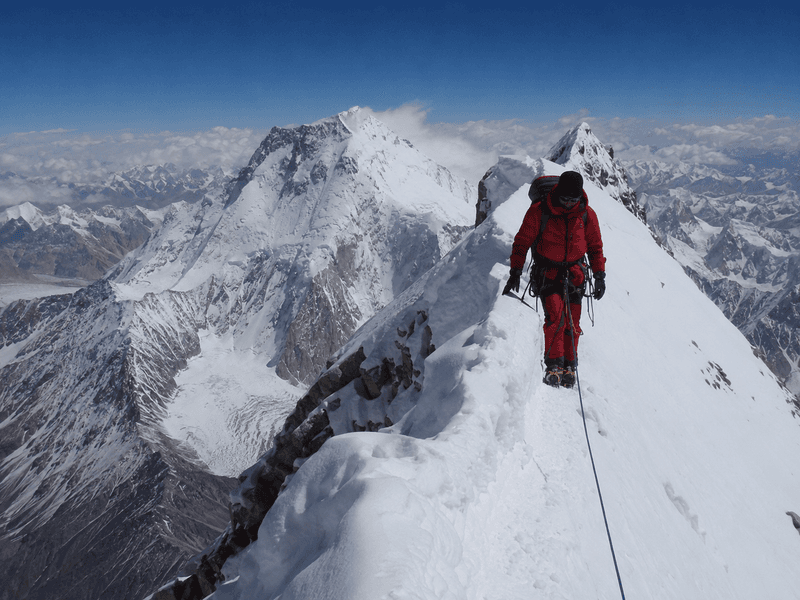
The phrase means a first attempt in this altitude category after meaningful climbing preparation. It should not mean learning basic rope movement, glacier travel or cold camp routines on the approach. The current journey describes a remote, crevassed mountain with snow slopes, fixed-line movement and high camps.
Give Namla a record of the climbing you actually did: route, season, altitude reached, nights slept high, pack carried, weather encountered and level of support. Distinguish a guide carrying out every camp task from your own management of food, water, equipment and descent. Explain any altitude problems and occasions when you turned around. A smaller number of well-described expeditions is more informative than an unexplained summit list.
If you lack a relevant skill, identify it early and discuss training with a competent instructor. Do not rely on an expedition booking to supply an unadvertised training course. Technical competence, fitness and personal health are separate assessments; being strong in one does not settle the others.
Personal skills and support boundaries
Discuss glacier movement, fixed-rope ascent and descent, transitions, equipment checks and your role in the team's emergency arrangements. Arrive familiar with the actual boots, gloves, harness and camp systems you will use. This guide deliberately does not teach those techniques or prescribe a route strategy.
Self-management matters during days of waiting as much as during climbing: communicate changes in health, maintain equipment, manage food and personal supplies, and conserve energy for the descent. Support staff can undertake agreed work, but they cannot remove every task from an individual climber or guarantee assistance in every location.
Ask for a camp-by-camp equipment and responsibility list. For any climbing staff, confirm role, service period, carries and limits using the high-altitude porter agreement guide. If oxygen is requested, establish the supplier and full equipment and delivery arrangement separately through the oxygen planning guide.
Acclimatisation and contingency
The approach, climbing rotations, recovery and any summit attempt belong in an adjustable plan. A 50-day programme is not a guarantee that a summit window will occur, or that every member will be ready when it does. Protect time for return logistics as well as the climb.
Fitness does not guarantee protection from altitude illness. CDC altitude guidance emphasises gradual exposure and individual considerations. Discuss personal medical concerns with an appropriate clinician; the expedition leader must review the route and operational plan. This article provides neither medical clearance nor a rotation prescription.
Agree how the team responds to slow acclimatisation, missing supplies, an unavailable route or a need to leave early. Budget for the possibility of changed transport and additional support, with written approval and cost rules. Weather allowance is useful only while the required staff, supplies and permissions remain available.
Gasherbrum II versus Broad Peak
The comparison below uses Namla's current journey descriptions and their published programme lengths. It is a booking comparison, not a ranking of safety or a statement about conditions this season. For the other mountain's detailed costs and phases, read the Broad Peak cost and timeline article.
Planning question | Gasherbrum II | Broad Peak |
|---|---|---|
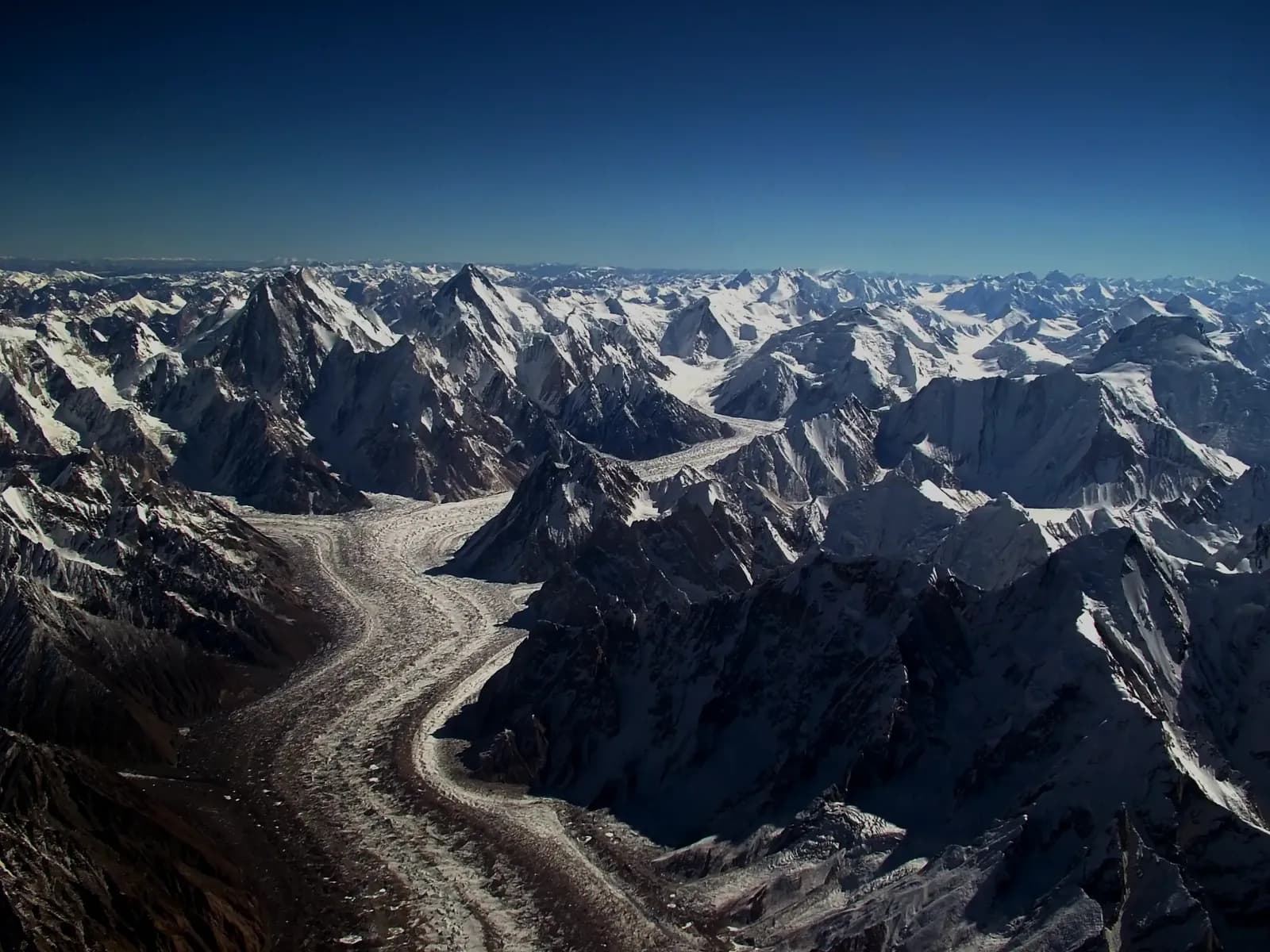
Approach and base camp | Baltoro approach continues into the Gasherbrum basin | Baltoro approach leads toward the Godwin-Austen base camp area |
Route emphasis | Glacier travel, snow slopes, fixed lines and high camps | West Ridge, glacier and fixed-line sections, with a long upper ridge commitment |
Listed programme | 50 days on the current journey page | 52 days on the current journey page |
Experience evidence | Relevant previous high-altitude climbs and technical self-management | Previous high-altitude expeditions, technical competence and descent reserves |
Support decision | Define work and supplies above base camp separately | Define work and supplies above base camp separately |
Choice for your team | Compare actual route demands with your preparation | Compare actual route demands with your preparation |
The two-day difference between listed programmes does not establish that one mountain is faster or easier for you. Ask how each proposal allocates approach, rotations, rest, summit consideration and exit. If your uncertainty is between the two Gasherbrums, the existing G1 versus G2 comparison addresses that separate choice.
Information to send and quotation checklist
- Send preferred dates, team size, route intentions and previous expedition records.
- Describe technical skills, nights at altitude, personal loads and the support used previously.
- Identify who supplies and moves every high-camp system, including food and fuel.
- Mark each service as included, optional, excluded or still provisional.
- Request the extension, early-exit, cancellation and additional-cargo terms.
- Resolve communications, personal insurance and emergency contacts before departure.
Frequently asked questions
Is Gasherbrum II suitable for my experience?
That requires an individual assessment. Its reputation as a first 8,000-metre objective does not establish readiness; submit evidence of relevant climbing, altitude experience and self-management.
Is trekking experience enough?
No. The journey explicitly distinguishes this climb from trekking and calls for technical preparation. A high trek does not demonstrate fixed-rope, glacier or high-camp competence.
What support should I request?
Specify the work your team can perform independently and the tasks it wants contracted. Separate base camp services, climbing staff, equipment, carries, route contributions and oxygen arrangements.
How does it compare with Broad Peak?
Both require serious high-altitude preparation. Their approaches, upper routes and schedules differ; compare those demands and the actual proposals rather than treating either as the beginner option.
What determines the final quotation?
Dates, team size, service duration, cargo, transport, camp requirements, staff and specialist equipment. The final inclusions and rates need written confirmation.
Discuss your expedition options
Discuss your climbing background and expedition options. Include your previous routes, altitude history, dates, party size and the support you would need above base camp.
End of field note
Continue your research.
Browse all notes