Hard
expeditionsAskole Region·Summer
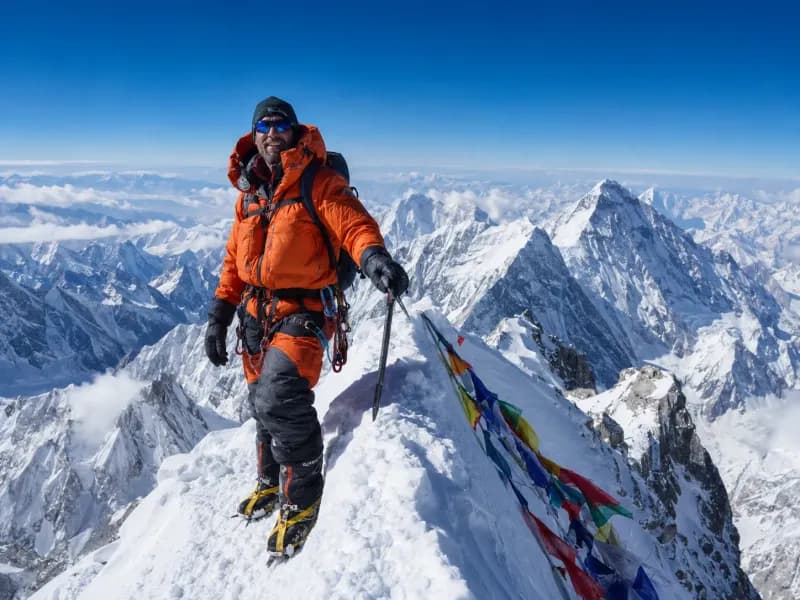
K2 Expedition
Full-service K2 expedition logistics in Pakistan via the Baltoro Glacier and Abruzzi Spur, arranged by a local Askole and Skardu team.
- Duration
- 60 days
- Summit elevation
- 8,611m
K2 Expeditions & Trekking Announces Strategic Partnership with Namla Expeditions

Karakoram summit objectives
Explore the highest Karakoram summit objectives. These expeditions require planning for extreme altitude, technical route demands and extended time in the mountains. Compare the published routes and support information before discussing your climbing history with the team.
Summit range: 8,000 metres and above. Multi-summit trips appear once, under their highest verified summit.
Find your altitude
Each expedition appears under its highest summit.
4 expeditions in this summit band
Full-service K2 expedition logistics in Pakistan via the Baltoro Glacier and Abruzzi Spur, arranged by a local Askole and Skardu team.
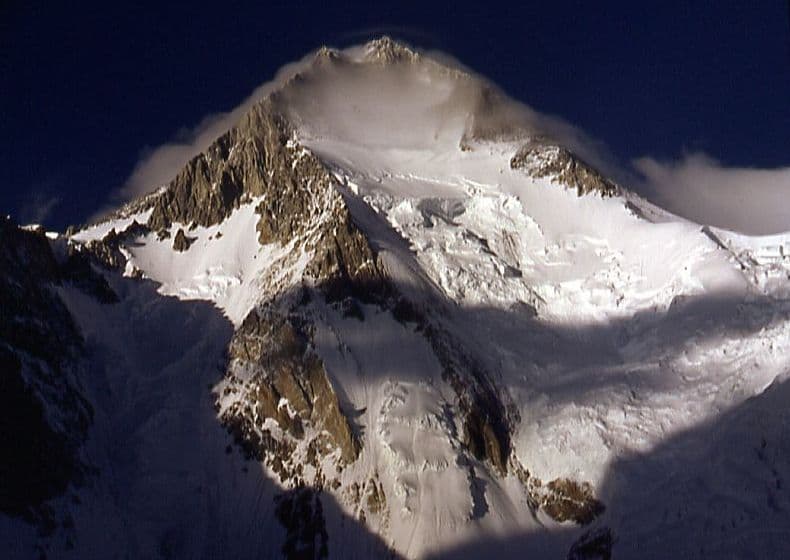
A 50-day Karakoram expedition to Gasherbrum I, the Hidden Peak, with Askole-based logistics, Baltoro approach, base camp support, and high-camp planning.
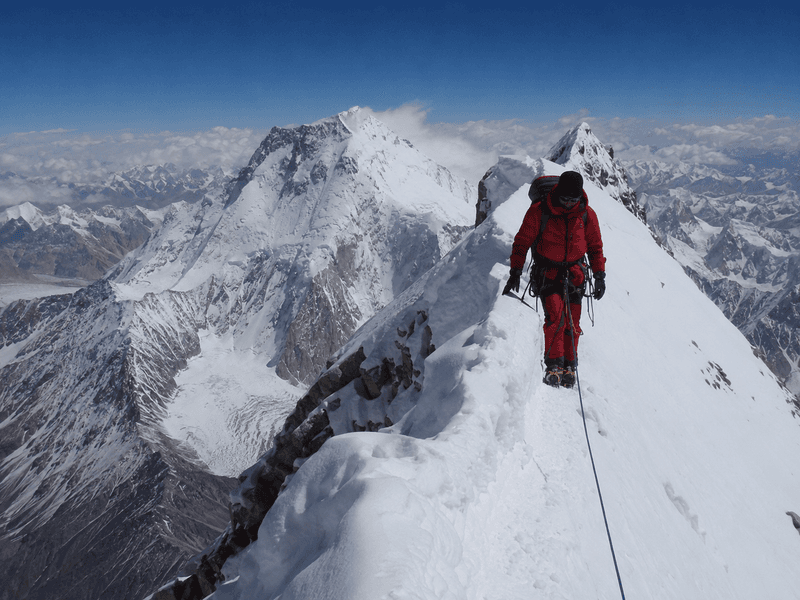
Broad Peak expedition support for the Baltoro approach, Godwin-Austen Glacier base camp, West Ridge climbing, permits, and local logistics.
A 50-day expedition to Gasherbrum II, a classic Karakoram 8,000 m climb reached through Askole, the Baltoro Glacier, and Concordia.
The expedition cards and summit-source links on this page list the currently published, verified objectives in this band. Classification uses the summit itself, never base-camp or trekking altitude. For a trip with several named summit objectives, the highest verified summit determines its single category. A published listing is an invitation to enquire; it does not confirm a departure date or a place. Read planning guides.
The published K2 description identifies the Abruzzi Spur, while Broad Peak describes West Ridge climbing. Those are different route objectives, and neither a shared height band nor a planned support package makes their technical demands interchangeable. Summit elevation alone cannot grade a route. Compare slope angle, rock and ice sections, glacier travel, objective hazards, retreat options and the length of time above camp. This band requires prolonged exposure to extreme altitude and repeated high-camp rotations. Read the linked journey difficulty and preparation sections and send your climbing history before choosing a route. Read planning guides.
Preparation must match the proposed route. Tell the team about previous glacier travel, rope work, crampon and ice-axe use, camping and altitude experience. Confirm the route-specific equipment list and who supplies ropes, tents, technical hardware, communication devices and any high-altitude equipment. A generic trekking kit or a previous summit at a similar height does not establish readiness. Read planning guides.
Use each linked expedition page for its published season and planned duration. These are planning parameters, not a weather forecast or a guaranteed summit schedule. The approach, permit arrangements, acclimatisation, route conditions and contingency days affect the final itinerary. Confirm dates and the full travel window directly before booking transport. Read planning guides.
Ask for a written quote for the chosen mountain, route, team size and support model. Permits, approach transport, porter loads, base-camp services, high-camp support and equipment can affect the scope. Check the individual journey inclusion and exclusion lists. Confirm insurance, rescue cover, personal equipment and international travel separately; no category-wide price or inclusion is implied. Read planning guides.
Review the journey itinerary, acclimatisation notes and safety and logistics sections with the team. Ask how sleeping altitude rises, where rest and contingency days fit, and what conditions would trigger a change of plan or descent. Agree permit responsibilities, cargo and porter arrangements, communications and emergency procedures for the actual route. An itinerary cannot guarantee acclimatisation or a summit. Read planning guides.
K2 is a summit-climbing objective; the K2 Base Camp trek follows the approach and ends far below its summit. Summit climbing adds technical terrain, high camps and much greater altitude exposure. Base-camp trekking remains a demanding remote journey and does not qualify someone for K2. Compare the separate expedition and trekking pages before making an enquiry. Read planning guides.
A lower mountain can have steeper rock or ice, a more complex glacier approach, fewer retreat options or a more committing route. Height categories organise the catalogue; they are not difficulty ratings. Choose using the route description, required skills, hazards and support scope, rather than treating this band as a training step with an automatic level of difficulty. Read planning guides.
Send your proposed mountain, route, dates, team size and climbing history so the team can discuss preparation and the support scope.
Enquire about an expedition