In this field note9 sections
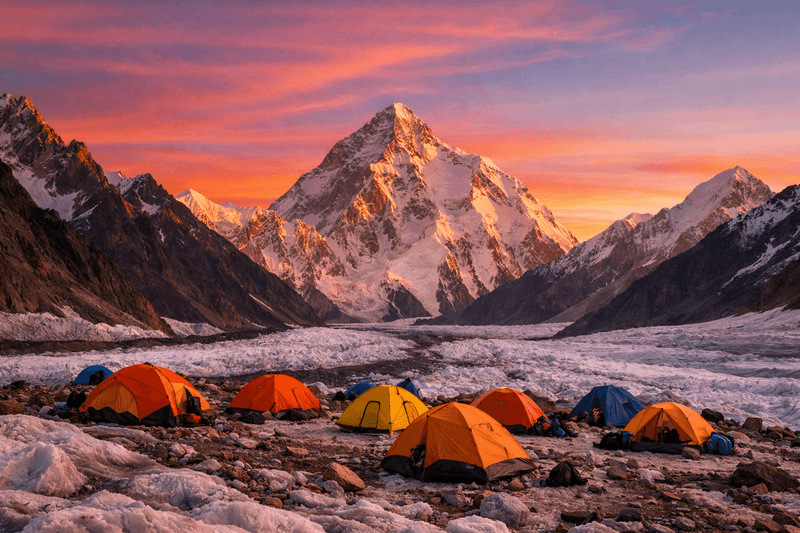
Broad Peak planning starts with the boundary between reaching base camp and climbing above it. A local logistics package, base camp service and supported climb can have very different prices even when they share the same approach. Request a quote against your climbing record and the work you want each party to undertake.
The current Broad Peak expedition journey lists 52 days and describes the West Ridge, glacier travel, high camps, fixed-line sections and a long summit ridge. That is an expedition framework, not a fixed summit calendar or an assurance of suitability for an individual climber.
Contents
- Cost and service levels
- Experience and technical preparation
- Who supplies equipment above base camp?
- Building the expedition timeline
- Weather allowance and turnaround decisions
- Quotation checklist
- Frequently asked questions
- Submit your Broad Peak brief
Cost and service levels
No verified fixed Broad Peak price is supplied here. The quotation depends on party size, dates, service duration, loads, accommodation and climbing support. Ask for the currency, tax treatment, validity, payment stages and cancellation terms alongside the total. A price described as base camp support should not be read as including work at the high camps.
Budget area | What the quotation should establish | Inclusion boundary |
|---|---|---|
Permissions and administration | Named charges, liaison responsibilities and any provisional amounts | Confirm the season-specific scope in writing |
Arrival and approach | Hotels, domestic sectors, road transport, approach camps and porterage | Identify start and finish points and covered nights |
Base camp | Sleeping, dining and kitchen facilities, food, staff, waste and power | Confirm occupancy and the last contracted service day |
Above base camp | Staff roles, camps, carries, tents, stoves, fuel and high-camp food | Separate optional or quotation-dependent support |
Shared route arrangements | Any fixed-rope contribution and who coordinates it | A contribution does not establish personal guiding |
Oxygen | Supplier, system, delivery locations, allocation and returns if requested | Do not assume inclusion or availability |
Personal and contingency costs | International travel, insurance, personal kit, tips and changes | Budget separately unless expressly covered |
The total is useful only when its exclusions are visible. Ask whether baggage allowances cover both approach and return, whether staff bonuses are already accounted for, and how freight or a changed return date affects the invoice. Use the porter-load guide for load definitions and the fixed-rope guide for the seasonal coordination questions.
Experience and technical preparation
Namla's public journey describes Broad Peak for climbers with previous high-altitude expedition experience and confidence with crampons, fixed ropes, glacier travel and self-care in cold camps. Those descriptions are the verified public baseline. This article does not invent a required summit count, staff ratio or automatic acceptance threshold.
Send routes, dates, highest points and sleeping altitudes, time spent at altitude, technical terrain and the support used. Explain your own tasks: carrying, camp setup, rope transitions, descent, navigation and decisions to turn around. A summit photograph says little about these responsibilities. Include unsuccessful attempts when they demonstrate useful experience or reveal a preparation gap.
Fitness must support repeated movement and recovery, not just one strong uphill day. Plan preparation around the load and tasks expected of you, with competent instruction where technical skills need work. Use the expedition fitness guide for the broader preparation discussion. Medical suitability and prior altitude illness belong in an individual consultation with an appropriate clinician; they are not resolved by a fitness test or an online article.
Who supplies equipment above base camp?
Require an allocation by camp and by owner. List high-camp tents, stoves, fuel, food, sleeping systems, rope-related equipment and communications, then identify who checks, transports, installs, maintains and brings each item down. An equipment rental does not automatically include a carry or installation service.
If hiring climbing staff, specify the actual role, service dates, carries and support limits. High-altitude porter support is described as optional on the journey page; the scope must be contracted. Read the high-altitude porter agreement guide. Oxygen, if part of your plan, needs a separate accepted supply and equipment specification; use the oxygen logistics guide instead of assuming a cylinder count from another expedition.
Building the expedition timeline
Use the journey's 52-day framework to discuss a schedule that gives preparation, approach, recovery, climbing and exit their own space. The following phases are work packages, not prescribed day allocations. Ask Namla to identify which days already serve as contingency so they are not counted twice.
Phase | Work to complete | What can change the timing |
|---|---|---|
Arrival and preparation | Team documents, cargo checks, briefing and onward transport | Late freight, travel disruption or incomplete documents |
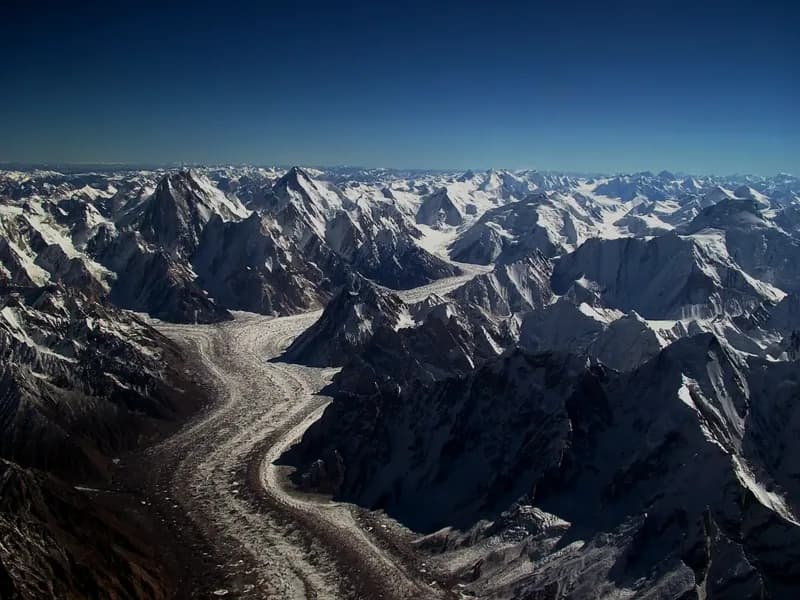
Baltoro approach | Camp-to-camp travel and gradual altitude exposure | Access, route conditions, health and porter movement |
Base camp establishment | Equipment reconciliation, communications and readiness checks | Missing supplies, recovery needs or route information |
Climbing rotations | Progressive exposure, carries and return to recover | Individual response, weather, terrain and camp readiness |
Recovery and summit consideration | Reassess health, reserves, forecasts and descent plan | No workable window or inadequate team readiness |
Exit and onward travel | Remove equipment and waste, return loads and transport | Glacier conditions, changed dates and travel disruption |
Acclimatisation is not completed simply by walking into base camp. The climbing plan must be adjustable to the individual and the conditions. CDC guidance supports gradual altitude exposure; it does not prescribe Broad Peak rotations or clear anyone to climb.
Weather allowance and turnaround decisions
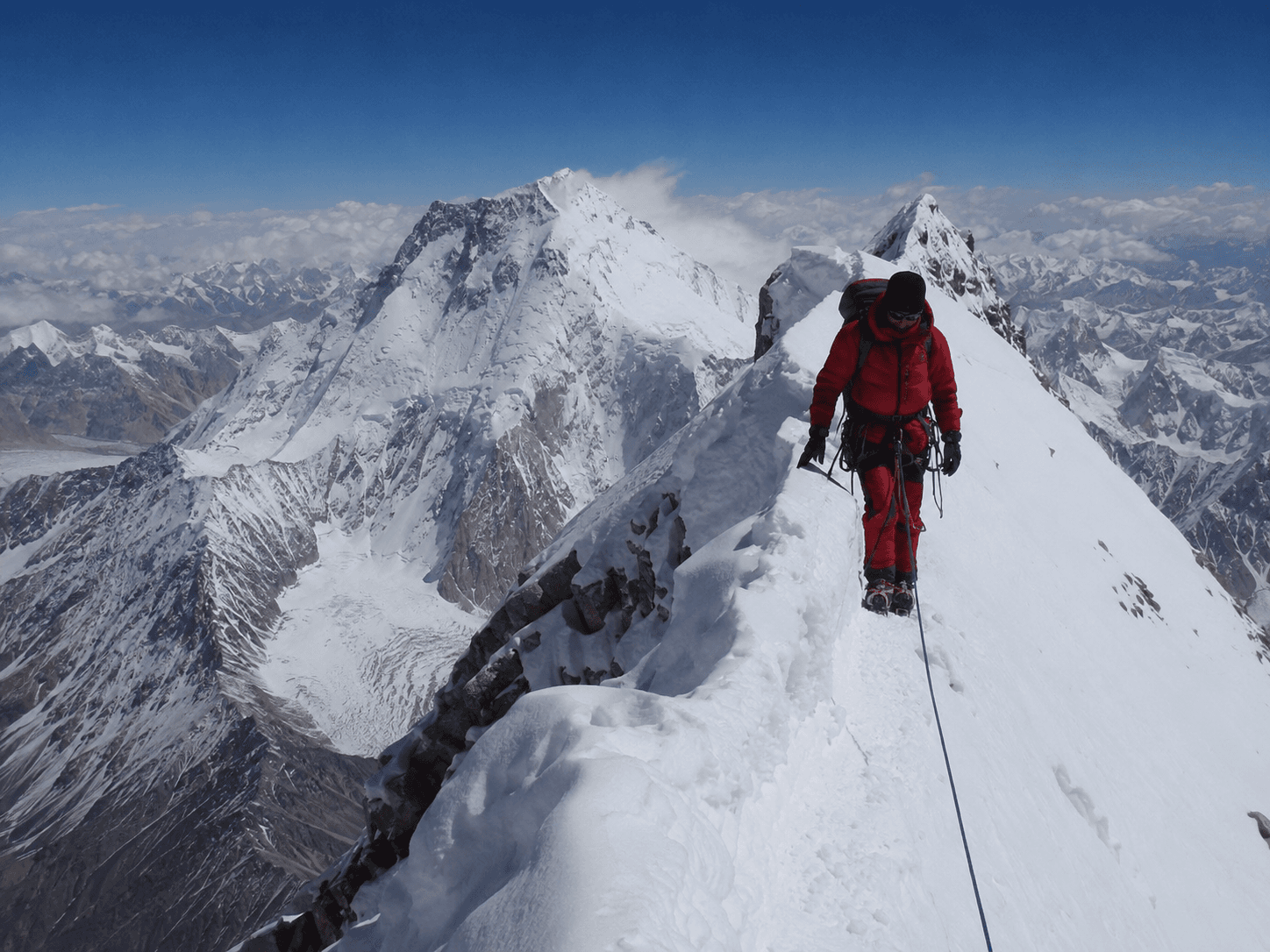
Broad Peak's upper route involves extreme altitude and a long summit-ridge commitment. Weather, snow and ice conditions, route progress, fatigue and the reserves needed for descent all matter. A seemingly close summit is not a reason to disregard the leader's agreed decision criteria. No commercial package removes objective hazards or promises rescue availability.
Before leaving, clarify who can stop an attempt, how decisions are communicated and what happens if one member needs to descend. Retain a practical return plan even if the group is waiting for a window. See the early-exit guide for staffing, equipment separation and changed transport.
An extension needs more than willingness to remain. Confirm permissions, staff availability, food and fuel, camp services and return arrangements. Ask whether extra days are charged per climber, per team, per staff member or by actual cost. Clarify when those charges begin and who approves them. An early finish does not automatically release money already committed to permits, staff or transport.
Quotation checklist
- Define base camp service separately from the climb above it.
- Name the staff roles, included tasks, equipment owners and service dates.
- Reconcile personal and shared loads in both directions.
- Confirm whether oxygen and fixed-rope contributions are included, optional or excluded.
- Agree the scope and cost basis for extensions, early exits and cancelled attempts.
- Establish decision authority, communications, insurance documentation and emergency coordination.
- Obtain a written assessment response to your climbing history before accepting the programme.
Frequently asked questions
What does a Broad Peak expedition cost?
A reliable total requires a dated, itemised quote. Party size, duration, logistics, climbing staff and equipment scope drive the price; no verified universal rate is available here.
Is trekking experience enough?
No. Namla's public description calls for previous high-altitude expedition experience and mountaineering competence. Submit evidence of those skills for assessment.
How long should I allow?
The current journey lists 52 days. Confirm its current dates, where contingency sits, and what additional margin your travel connections need.
Who supplies high-camp equipment?
The written equipment schedule must name the supplier and the party responsible for carries, setup and removal. Base camp service alone does not answer this.
Are oxygen and climbing staff included?
Do not assume so. High-altitude porter support is described as optional; oxygen needs its own specification. Confirm both in your quotation.
How are additional days charged?
According to the agreed extension terms and services actually retained. Request the charging unit, start point, authorisation process and any non-refundable commitments before booking.
Submit your Broad Peak brief
Submit your climbing experience and Broad Peak support requirements, including dates, team size, proposed service level, personal and shared cargo, and how much schedule flexibility you have.
End of field note
Continue your research.
Browse all notes