In this field note9 sections
A Karakoram photography trek starts with a workable walking and camp plan, not a list of famous viewpoints. Choose the landscape you want to photograph, then agree how camera weight, stopping time, battery use and image backup fit the route. A standard trekking itinerary does not automatically include separate photographic excursions or a slower camp-to-camp schedule.
From Askole and Skardu, those decisions connect directly to transport and loads. A tripod left out of the equipment brief still has to travel; an extra hour photographing a scene still has to fit the walking day. Make the photographic purpose clear when you first inquire.
Choose the landscape before choosing the equipment
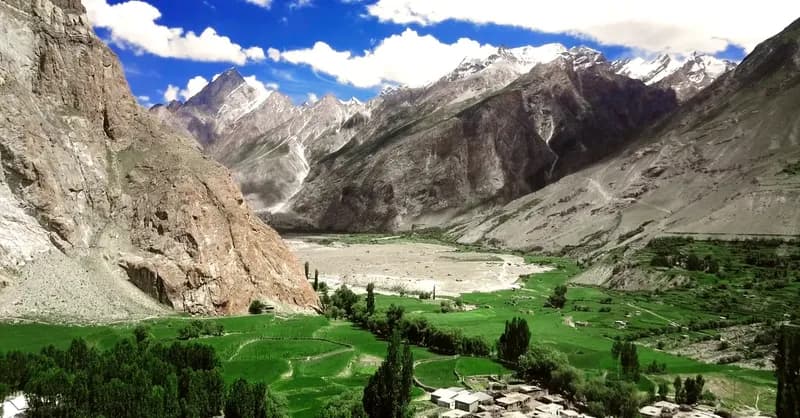
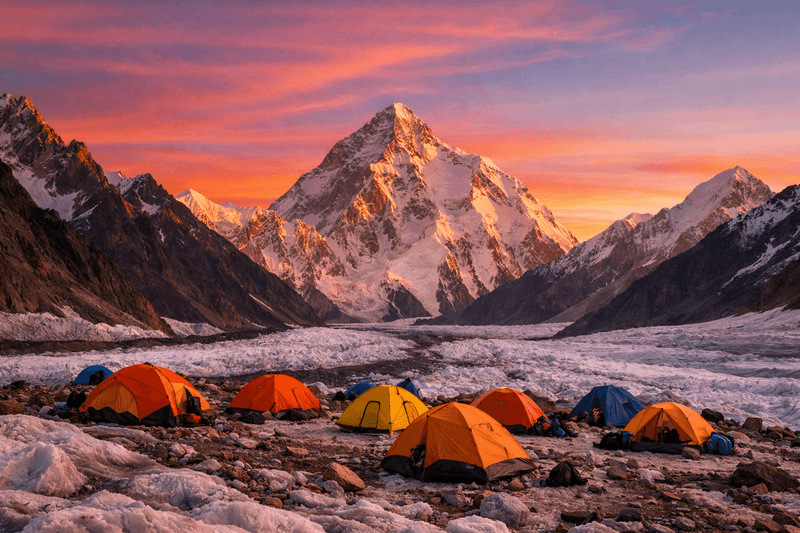
If the priority is the Baltoro approach and the peaks around Concordia, start with the K2 Base Camp Trek. If you want the Biafo glacier environment and Snow Lake, compare the Biafo return journey with the Snow Lake–Hispar La traverse. The latter has a separate onward exit; it is not an alternative way of naming the Baltoro.
Read the existing Baltoro versus Snow Lake comparison for the broader route differences. Choose between them for their entire journey, rather than assuming a particular mountain photograph will be possible on a fixed date. Visibility, access and the guide's decisions control the opportunities on the ground.
Write a short photographic brief
Tell the team whether you are travelling mainly to walk and photograph as you go, to make a personal landscape project, or to undertake a commissioned shoot. These are different planning requests. A brief can be simple:
- Your preferred route, travel dates and previous trekking experience.
- The subjects you care about: glacier scale, named peaks, camp life or a consenting portrait project.
- The approximate packed weight of your camera kit, including batteries, protection and tripod.
- Whether you need frequent stops, extra time near camp or a proposed rest-day project.
- The number of people in the group and whether their pace and interests match yours.
- Any commercial use, filming equipment or aerial photography proposal needing separate permission checks.
Do not assume a private guide, dedicated equipment porter, extra camp, rental camera or charging service is included. Ask for each requested arrangement to be confirmed in the written proposal.
Separate camera access from porter loads
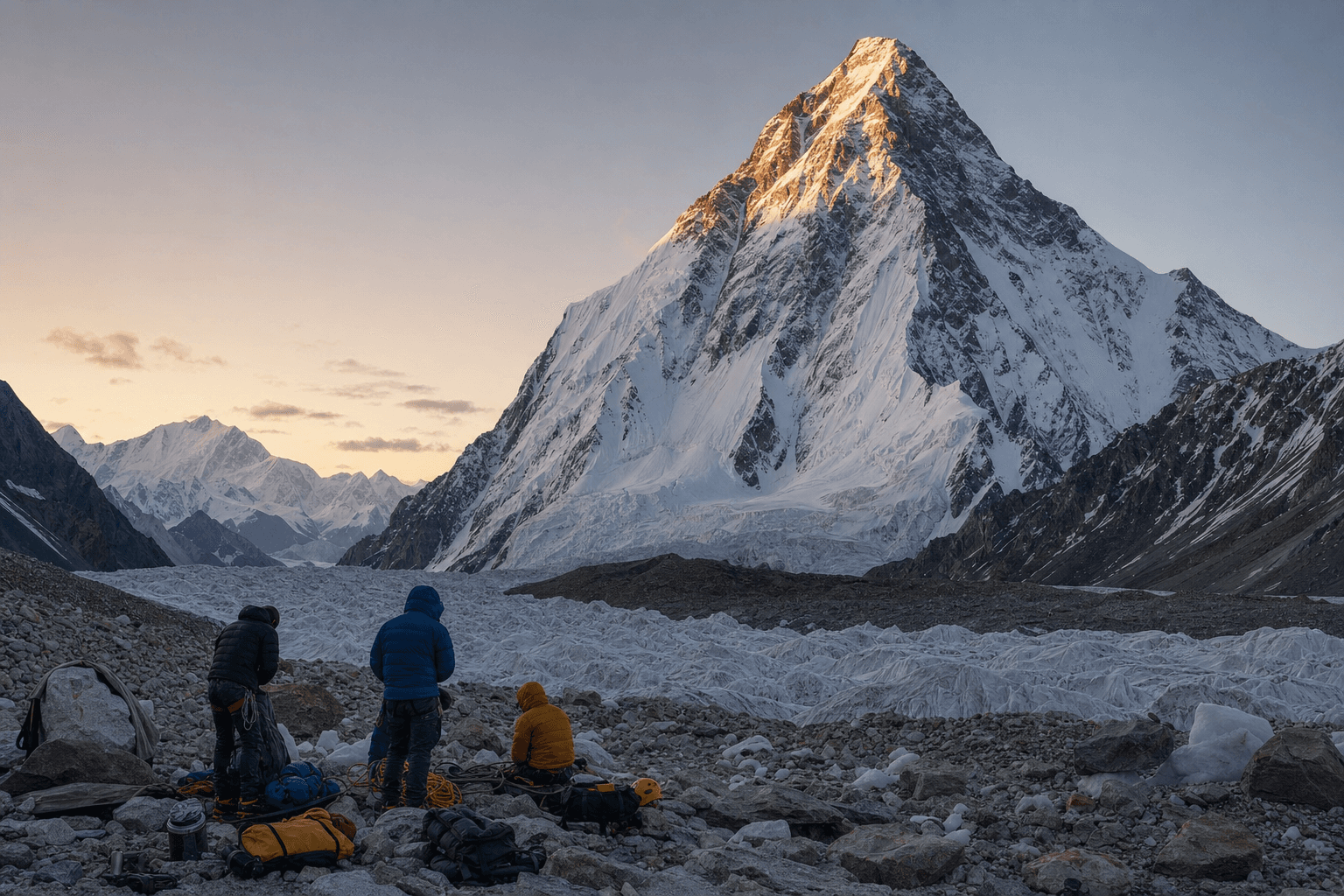
Decide which equipment you can comfortably carry while walking and which items may travel in a duffel. A lens in a porter-carried bag may not be available when a short photographic opportunity appears. Carrying every lens yourself can make the walking day less manageable.
Test the packed system on uneven walks before finalising the list. Check whether you can stow the camera, secure loose straps and reach clothing or water without unpacking it. Discuss tripod size and bag protection with the team before the load sort; do not turn an unplanned equipment load into an assumption about staff capacity.
Use the existing trekking packing list for the wider kit context. This article addresses the photographic workflow rather than replacing that list with another general checklist.
Agree how stops fit the walking day
Ask which proposed stops can be made with the group and which would need a separately agreed arrangement. Stay within the guide's plan for movement and camp access. A promising angle does not justify leaving the agreed line or asking staff to move loads onto unsuitable ground.
Discuss early or late photography near camp before departure. The answer may differ by location and conditions, and a walking itinerary is not a promise of unrestricted dawn or night excursions. Read life on the Baltoro for the wider camp routine.
Make a power and file-handling plan
List the batteries, chargers, cables and storage you intend to use. Test them together and estimate demand from your own camera use. Ask what charging, if any, is actually offered on the booked journey and who is responsible for it. Do not plan an essential workflow around an unconfirmed socket or generator.
Decide how you will keep files organised without reliable internet. A second copy on a separate storage device can be useful only if you have tested the transfer process and can power it. Keep the method simple enough to repeat when tired. Follow the camera manufacturer's instructions for batteries, moisture and operating conditions.
Before each flight, check the operating airline's current rules for spare batteries, power banks and cabin baggage. PIA's baggage guidance is a starting point for a PIA sector; it is not permission for another carrier or a substitute for checking your actual equipment.
Photograph people and sensitive places with permission
Ask before photographing people, homes or work in the village. Agreement to join a trek does not provide consent from the people you meet. Discuss intended publication, especially for a commercial project.
The FCDO photography guidance warns against photographs at military establishments, airports and infrastructure, and from aircraft. Check with officials if unsure. Do not bring an aerial photography plan on the assumption that permission is automatic; obtain current advice for the equipment, location and intended use before travel.
Turn the brief into a route inquiry
Send your photographic brief through the inquiry on the chosen K2 Base Camp, Biafo or Snow Lake–Hispar La page. Ask which requests fit the standard programme and which require a separately agreed service or itinerary. Keep personal insurance and any equipment cover as separate traveller expenses unless explicitly included in writing.
Frequently asked questions
Do I need a photography-specific itinerary?
You may be content photographing during a normal trek. Frequent long stops, additional locations or a commissioned project need discussion before booking. Share the brief rather than assuming the standard schedule will absorb them.
Should every lens go in my daypack?
Decide from the kit you can carry and use during a walking day. A smaller accessible system may suit you better than carrying equipment you rarely use. Test the complete load and agree duffel arrangements with the team.
Is charging or image upload available at each camp?
Do not assume either. Confirm the actual charging provision and keep essential image handling independent of an internet connection. No service at a particular camp is promised here.
Sources
Route choices were checked against the current Namla CMS journeys. FCDO photography advice and PIA baggage guidance were reviewed on 6 November 2026. Recheck applicable guidance and the operating airline before travel; this article gives no current drone authorisation or customs clearance.
End of field note
Continue your research.
Browse all notes