Where Askole sits in the Karakoram
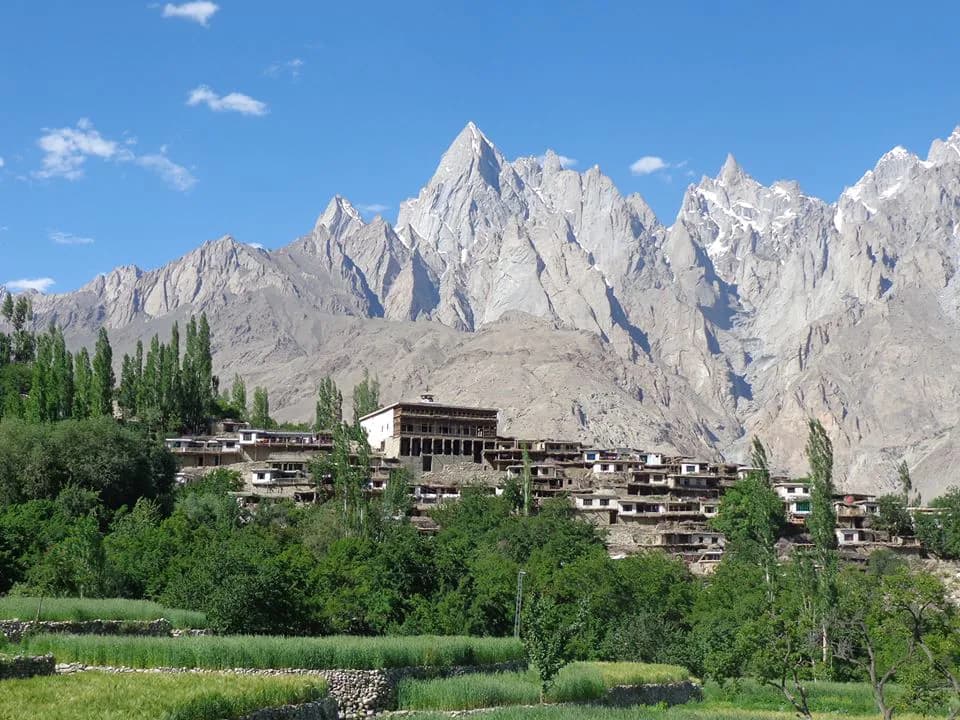
Askole is one of the most important mountain villages in Pakistan for anyone entering the central Karakoram. It is the last permanent settlement and practical roadhead for the Baltoro Glacier, K2 Base Camp, Broad Peak Base Camp, Concordia, Gondogoro La, the Biafo Glacier, Snow Lake, and several technical climbing objectives. For trekkers and expedition teams, Askole is not just a place to pass through. It is the point where the journey changes character completely. Vehicles stop, loads are weighed, porters gather, and the rhythm of the route shifts from road travel to walking through river valleys, moraine, glacier camps, and high mountain weather.
The village lies beyond Skardu and Shigar, reached by the Braldu Valley road. This road is rough, exposed, and sensitive to rain, heat, river damage, landslides, and repair work. A smooth drive can still feel long. A disrupted drive can reshape the whole itinerary. This is why good Karakoram planning treats Askole as a flexible logistics point rather than a fixed clock on a spreadsheet.
Why Askole matters
Askole is where field logistics become real. In Skardu, a team may look ready on paper: permits prepared, food purchased, fuel packed, equipment checked, and staff assigned. In Askole, those plans meet the ground. Duffels are separated, kitchen loads are counted, porter loads are weighed, route conditions are discussed, and last-minute adjustments are made before the team leaves the road system behind.
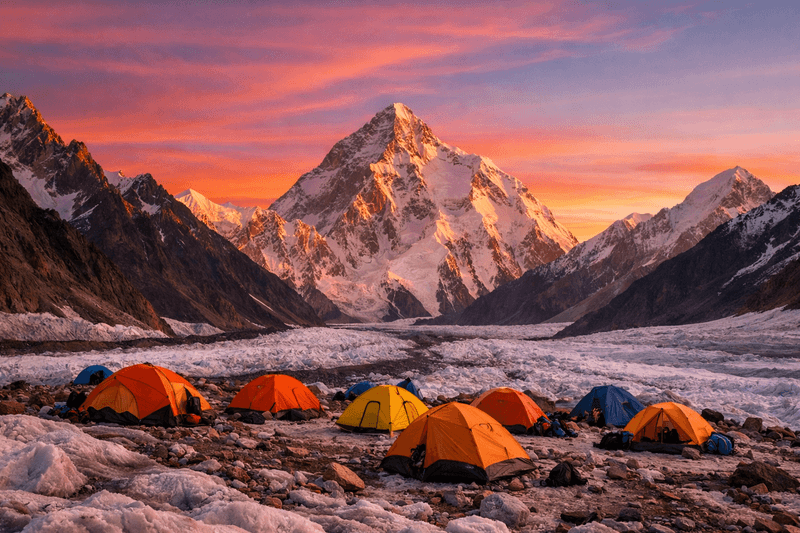
For K2 Base Camp and Baltoro teams, this stage is especially important. Once the group starts walking toward Jhola, Paiju, Urdukas, Goro, Concordia, and K2 Base Camp, small mistakes become harder to correct. A missing battery, badly packed rain shell, unlabelled duffel, weak boot, or overloaded porter load can become a serious problem days later. Askole is the final place to slow down and make the system clean.
The road from Skardu
Most teams reach Askole after driving from Skardu through Shigar and into the Braldu Valley. The distance does not explain the day. The road follows mountain walls and river systems, with sections that can be narrow, dusty, rocky, or affected by recent weather. Jeep travel is part of the expedition experience here. It is not a transfer in the ordinary tourism sense.
- Keep passport copies, permits, medication, water, sun protection, and one warm layer in a small day bag.
- Expect dust and vibration; protect camera gear, electronics, and fragile equipment.
- Do not assume phone signal or internet will be reliable after leaving Skardu.
- Build patience into the day; landslides, roadwork, and vehicle delays are normal mountain realities.
- Avoid packing essential items deep inside expedition duffels before the final load sort.
Porters and local work
Askole families have supported Karakoram travel for generations. Porters, cooks, guides, high-altitude staff, horsemen, drivers, and local coordinators are the operating system of the route. Without them, the famous treks and expeditions of the Baltoro corridor would not function. Responsible travel starts with understanding that local labor is not background scenery. It is skilled mountain work.
Fair load weights, clear payment, respectful communication, and good equipment handling matter. Visitors should pack with discipline because every unnecessary item becomes weight that someone else may carry. Soft duffel bags are generally better than hard luggage. Waterproof liners or dry bags help protect loads from rain, river spray, and glacier weather. Labels should be clear, and personal valuables should stay with the traveler.
What travelers should expect in the village
Askole is not a polished resort town. It is a working mountain village with simple facilities, limited services, and a serious role in expedition life. Some groups camp near the village. Others use basic guesthouse-style accommodation where available. Comfort depends on arrangements made in advance and on local conditions at the time.
The right attitude in Askole is practical and respectful. Use the time to check boots, gaiters, trekking poles, water bottles, headlamps, charging systems, rain protection, personal medication, and layering. Confirm where your daypack items are. Confirm which bag is your porter duffel. Confirm that you can access what you need on the first walking day.
Village etiquette
Askole is a living community. Visitors should dress modestly, avoid loud behavior, ask before photographing people or homes, and follow local staff guidance when moving through the village. A camera does not give permission. A trekking itinerary does not make private life public.
Good etiquette also means understanding that the village is not only a gateway for foreign travelers. It is home. Children, elders, farmers, drivers, porters, and families are carrying on daily life while expedition teams pass through. The most welcome guests are usually those who move calmly, listen carefully, and treat local people as hosts rather than props in an adventure story.
Common mistakes before leaving Askole
- Starting the trek with brand-new boots or untested socks.
- Packing rain gear or medication into a duffel that will not be accessible during the day.
- Carrying too many luxury items and creating unnecessary porter weight.
- Rushing the load check because everyone is excited to start walking.
- Ignoring small foot problems before the first long trekking day.
Final field note
Askole is the threshold of the expedition. Behind it are Skardu, vehicles, shops, and road access. Ahead are river crossings, moraine, glacier camps, high passes, and the immense scale of the Karakoram. A team that respects Askole as a serious staging ground usually begins the journey with better organization, better morale, and fewer avoidable problems.
End of field note
Continue your research.
Browse all notes