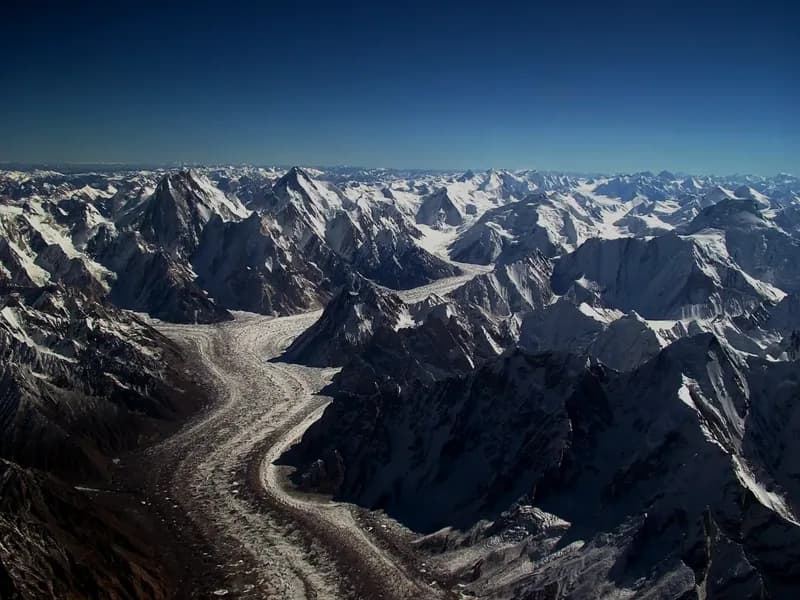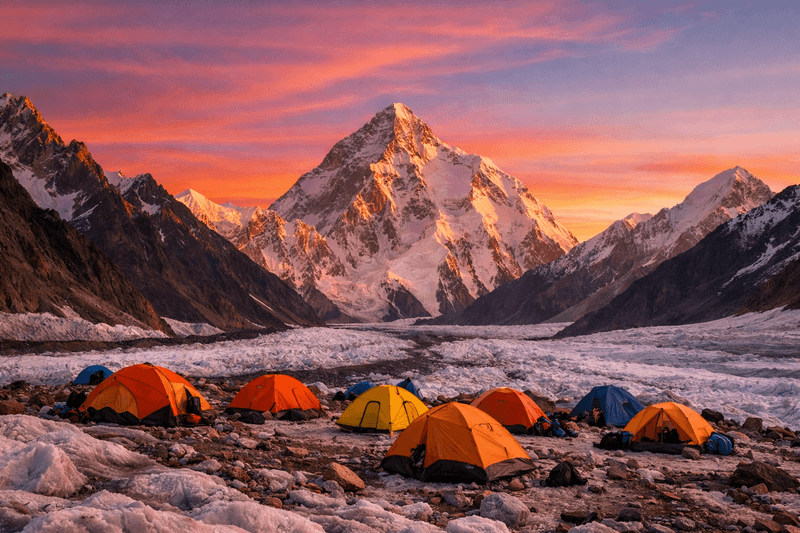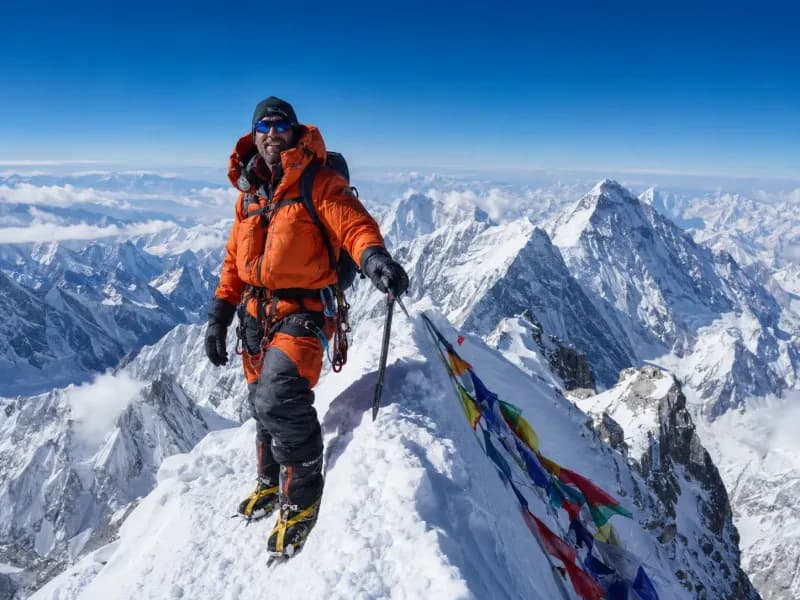
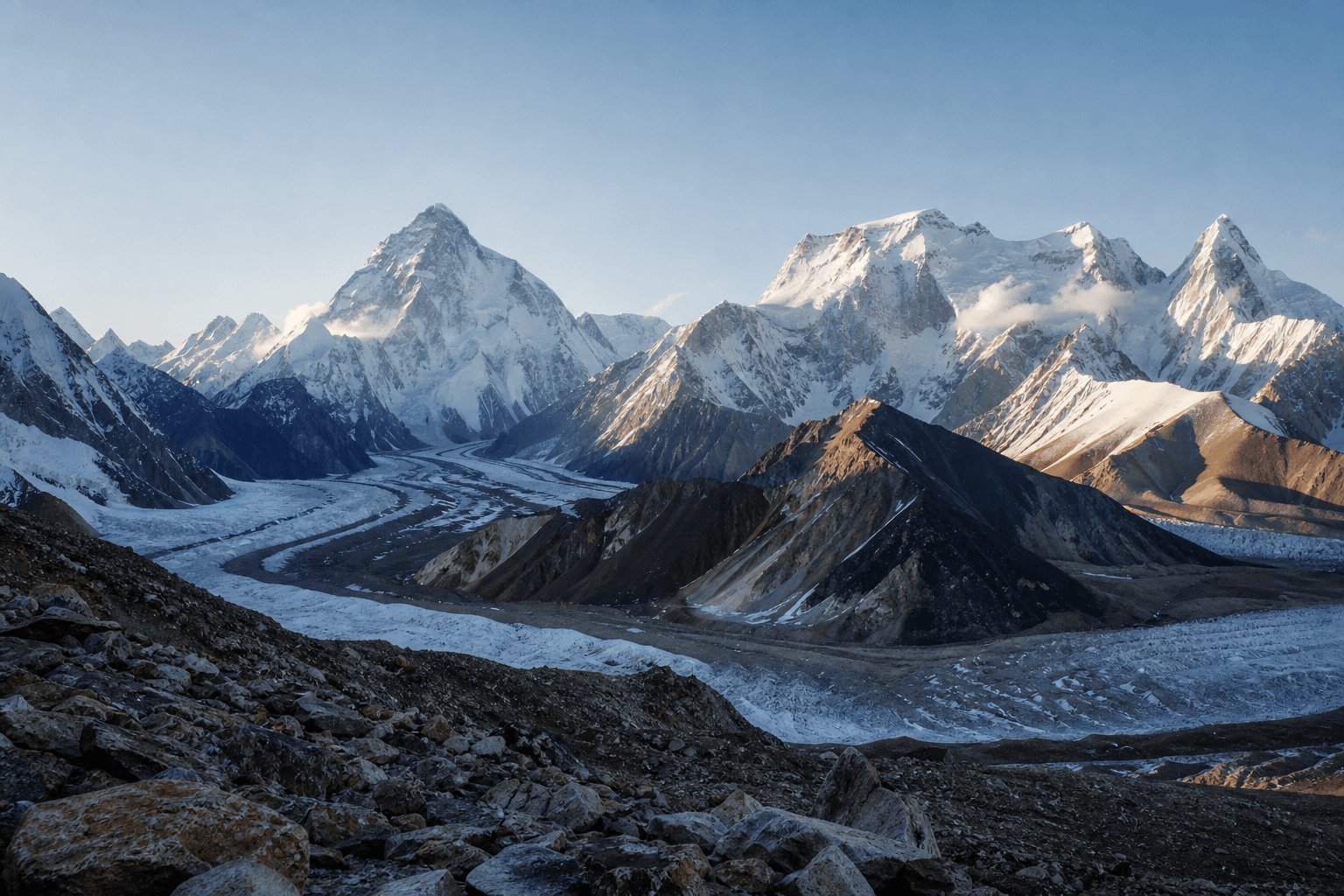
A Karakoram expedition is often photographed as a climber beneath a famous summit. Outside the frame is the larger team that made the photograph possible. From Askole, Balti porters carry tents, food, fuel, kitchens, medical supplies and personal baggage across hot valley trail, loose moraine and active glacier. They do not merely transport equipment. They keep a moving camp alive.
Calling porters heroes should not turn them into a romantic background. Heroic language is empty if the same workers are overloaded, under-equipped, uninsured or omitted from the expedition story. Respect begins with recognising skilled labour and building fair conditions around it.
What a porter actually does
Before departure, cargo is weighed, divided and checked. Loads must remain stable enough to carry through narrow trail and uneven moraine. On a normal moving day, porters may dismantle camp after guests leave, carry the expedition stage and then help establish the next camp. Kitchen staff prepare meals; load coordinators solve shortages and changes; high-altitude porters take on different technical risks above base camp.
These roles are not interchangeable. Experience on the Askole approach does not automatically qualify someone for crevassed snow, fixed ropes or an 8,000-metre peak. Recruitment, equipment, insurance and pay must match the assigned work.
Skill that visitors may not see
Efficient movement depends on balance, pacing and route judgment. Local workers know where a stream usually rises in afternoon heat, which moraine line has deteriorated, how long an animal stage can reasonably take and where a camp can be rebuilt after weather damage. They also exchange information between teams. That network often gives an expedition its earliest warning that a bridge, road or glacier line has changed.
Porters work inside family and village life. A person joining a trek may also be farming, arranging a harvest, caring for children or preparing a household for winter. Expedition labour is seasonal income, not an unlimited pool waiting at the roadhead.
What fair porter welfare requires
- A written role, agreed wage and clear payment schedule
- Loads weighed and kept within the current applicable limit
- Clothing, footwear and shelter suitable for the route and altitude
- Adequate food, safe water and access to the same health reporting culture as guests
- Insurance that covers the worker's actual assignment
- Medical care, evacuation and safe return when a worker is ill or injured
- Additional pay and supplies when weather or access extends the job
The Gilgit-Baltistan Tourism Department's 2025 advisory restated the importance of permits and agreed insurance coverage for climbers and supporting porters. Regulation is a floor, not a complete welfare system. An operator still has to check fit, function and field reality.
Loads are a safety decision
A baggage allowance is not a marketing detail. Extra kilograms affect the number of workers, food carried for them, insurance records and the speed of the whole team. Awkward cargo may need different handling even when it is technically below a limit. The right question is not “How much can this person endure?” but “What load lets this team move safely over this terrain today?”
Guests help by respecting their allowance, removing duplicate equipment in Skardu and keeping essential medication and layers in their own daypack. Last-minute excess should never be hidden in a porter load.
Dignity in camp
Porters are colleagues, not scenery. Learn names where possible. Ask before taking portraits. Do not photograph an exhausted or injured worker for dramatic content. Complaints about a late bag should recognise that the same person crossed the terrain carrying it. Tips are welcome when handled transparently, but they do not replace wages, insurance or equipment.
Donated gear can help only when it fits, works and is distributed fairly. Coordinate through the expedition leader instead of creating competition at the final camp.
How travellers can judge an operator
Ask who weighs loads, what happens when a porter becomes sick, how extra days are paid and whether approach and high-altitude roles are insured differently. A responsible operator can answer without treating welfare as confidential decoration.
The strongest measure of an expedition is not only whether guests reached their objective. It is whether every worker was named in the plan, equipped for the job, paid as agreed and supported home safely.
Frequently asked questions
Are all Karakoram porters high-altitude climbers?
No. Approach porters, trekking staff, cooks, guides and high-altitude porters have different skills and assignments.
Are tips part of a porter's wage?
No. Tips are voluntary and separate from agreed wages and required welfare provisions.
What can a guest do before departure?
Keep baggage within the limit, ask direct welfare questions, disclose special cargo early and treat every worker as part of the expedition team.
End of field note
Continue your research.
Browse all notes