
Karakoram Mountain, Glacier & Environmental Conservation
Karakoram Mountain, Glacier & Environmental Conservation
Caring for the mountains where we live and work
The mountains we call home
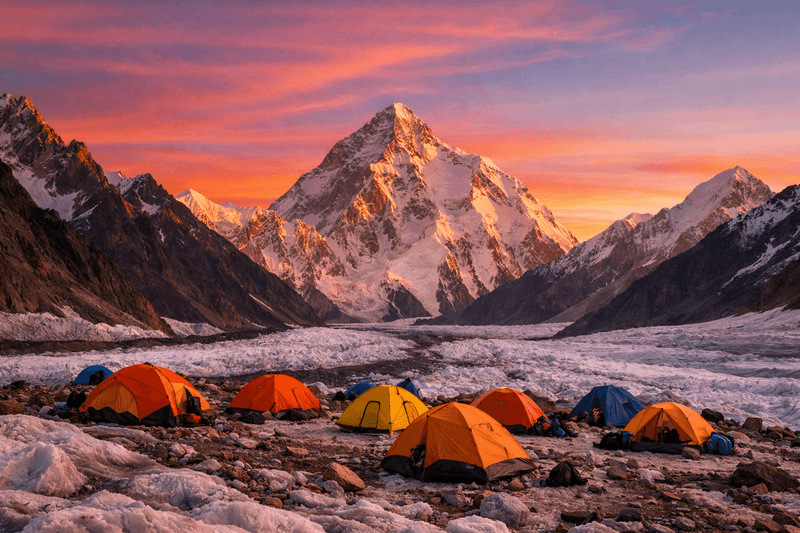
When we leave a camp in the Karakoram, another team may arrive that afternoon. They’ll pitch their tents on the same ground and draw water from the same stream. The guides and porters who work there will be back again, sometimes within days. We think about that when we plan a journey and when we pack up to leave.
We’re based in Askole and Skardu, and our work takes us across the Karakoram. The villages, trails and glaciers we travel through are part of a landscape people know through years of living and working here. We want our guests to understand that connection and know what they can do to care for these places while they’re here.
The glaciers of Central Karakoram National Park
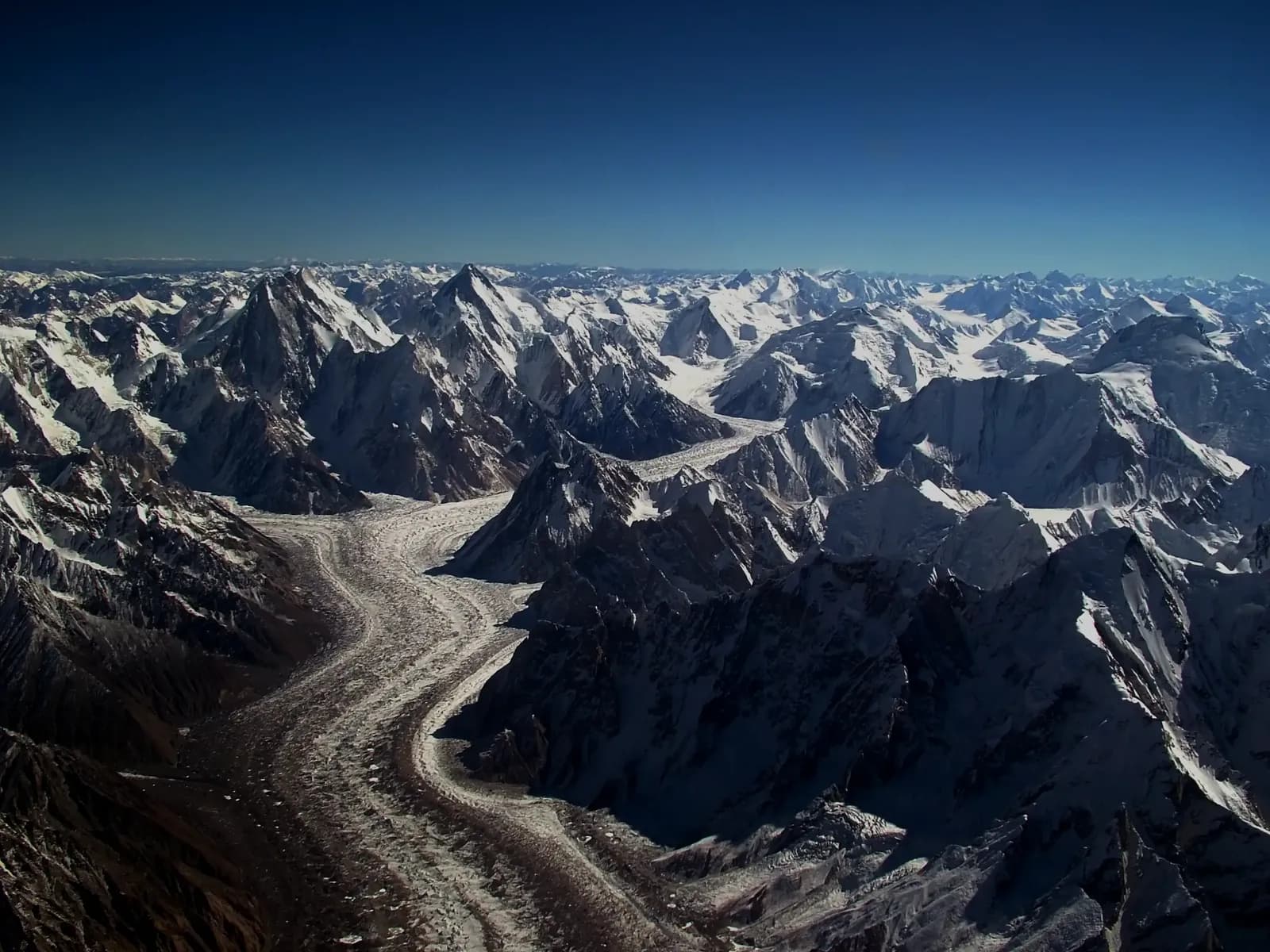
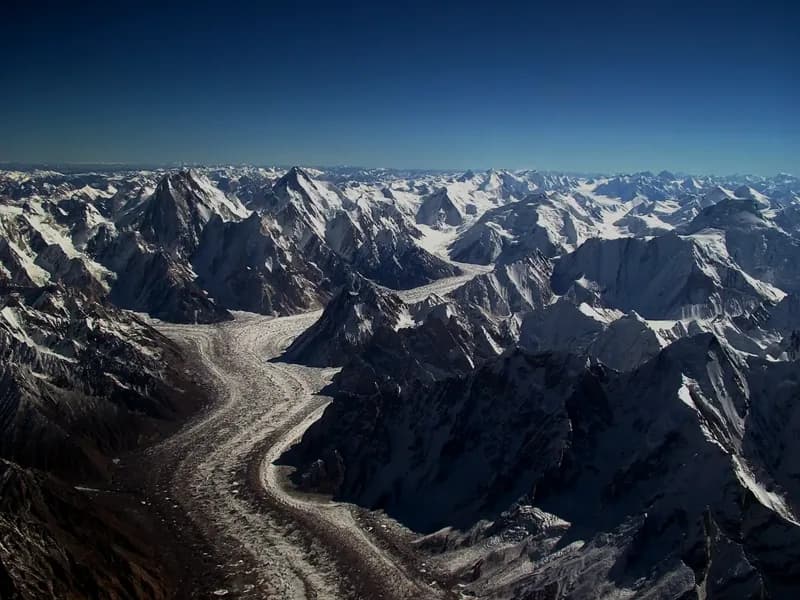
The Karakoram is home to some of the world’s longest glaciers outside the polar regions. Central Karakoram National Park, established in 1993, covers about 10,558 square kilometres in Gilgit-Baltistan, Pakistan. It includes K2 and the Baltoro, Biafo and Hispar glaciers. Ice covers roughly 40% of the park. Central Karakoram National Park profile.
On the approach to Concordia, much of what looks like a field of loose rock is glacier ice under debris. That cover can make it difficult even for researchers using satellite imagery to tell where a glacier ends and the surrounding terrain begins. Mölg and colleagues’ glacier mapping study.
Camp waste and glacier water
The time to deal with extra packaging is in Skardu, before it goes into a porter load. We ask guests to remove what they can before departure, bring a refillable bottle and keep a small bag for personal rubbish between camps. Before walking out, check around your tent and where your bags were loaded. Wrappers and small scraps are easy to miss once the camp is packed.
Keep soap, fuel, food scraps and wastewater away from streams and meltwater channels. Use designated washing and toilet facilities where available. If a camp has limited facilities, ask your guide where to wash and how to handle wastewater and human waste. Confirm the drinking-water arrangements for your route before leaving.
For independent climbs, agree on waste responsibilities before the team heads up. Who brings empty canisters, damaged tents and worn equipment down from higher camps when it’s safe to retrieve them? Who takes them from base camp, and where are they handed over? These details matter especially when the climbing team, base-camp crew and transport provider are working under separate arrangements. Central Karakoram National Park waste-management report.
Wildlife, pastures and protected places
Snow leopards, Himalayan ibex and markhor live in Central Karakoram National Park. If you see wildlife, stop at a distance and give it room to move. Watch from where you are, keep food secured at camp and avoid feeding or following animals. Central Karakoram National Park wildlife survey.
We ask guests to use established trails and designated camps where directed. Around villages, ask before camping on pasture, entering private spaces or photographing people. A patch of open ground may be used for grazing, and a stream beside a campsite may also supply water farther down the valley. Follow the guidance of the people who know and use those places.
The people who carry the journey
A porter’s work continues after guests have reached base camp. Food and fuel go up. Tents, equipment and waste still have to come down. If we leave the return loads out of the plan, that work still falls to someone when the camp closes.
We treat porter pay, agreed loads, equipment and working conditions as part of the trip plan. If you’re arranging support for an independent climb, discuss who will carry equipment and waste on the return and how any additional work will be arranged. The people doing the carrying should know what the journey asks of them in both directions.
How the Karakoram’s glaciers are changing
A crossing that worked last season may need a different approach this year. A stream can cut a new channel, or loose debris can change how we reach the ice. When we plan a route, we pay attention to what guides and crews have seen recently on that stretch of the glacier.
Research shows how much conditions can vary across the range. A satellite study covering 2008–2016 found a small estimated ice-mass gain in the central Karakoram and a loss in the eastern Karakoram. Another study found that Biafo Glacier’s flow speed varied substantially between 2001 and 2009. These studies describe different kinds of change over specific periods. Berthier and Brun’s Karakoram glacier mass study · Scherler and Strecker’s Biafo Glacier study.
For communities downstream, changes in snow and ice have implications for water supplies and flood preparedness. ICIMOD’s regional assessment explains these connections across the wider Hindu Kush Himalaya. We also explore what local observations and communication can contribute in our Field Notes. ICIMOD assessment, chapter 3 · Namla’s Field Note on glacier monitoring and community preparedness.
Before you leave for the mountains
Whether you’re trekking to K2 Base Camp, crossing Snow Lake or organising your own climb, confirm these details with your guide or expedition coordinator before departure.
- Which campsites and park arrangements apply to your route?
- Where will your team collect drinking water, wash and use toilets?
- Who carries waste and equipment back, and where will it be handed over?
- Are return loads included in the porter plan?
- If you’re climbing above base camp, who is responsible for clearing each camp?
If we’re handling only part of your logistics, tell us what your team and other suppliers are covering. We can go through the handovers together while there’s still time to sort out the details in Skardu.