Highlights
Route Highlights
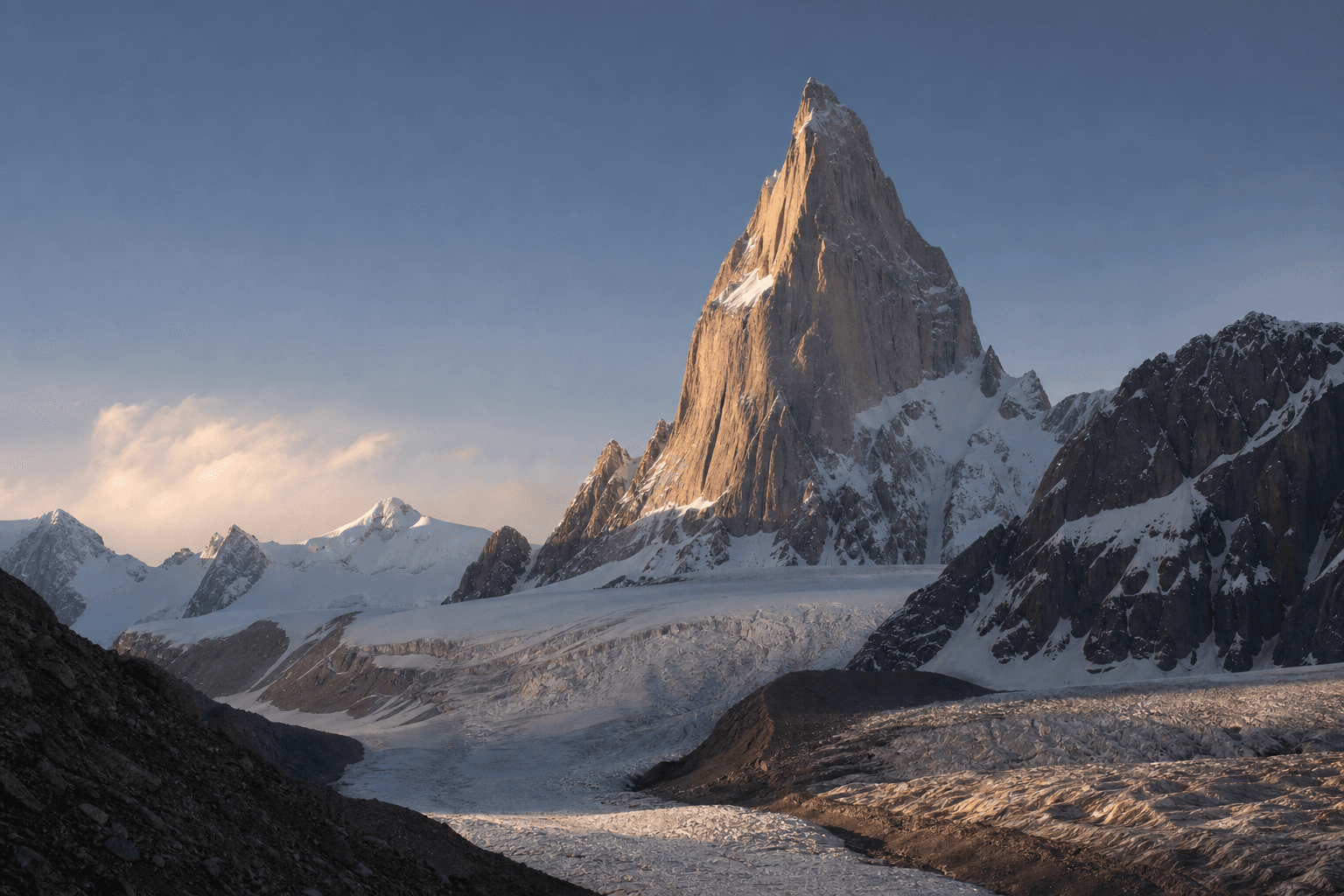
The Baltoro approach reveals the Trango towers before reaching a secluded base beneath Muztagh Tower, with access to the Younghusband and adjacent glaciers and close views of the Baltoro Muztagh.
K2 Expeditions & Trekking Announces Strategic Partnership with Namla Expeditions

A 45-day Muztagh Tower expedition with Baltoro and route-specific glacier access, permits, porters, base camp, cargo, and local support.
Askole Region — 7,276 m
Adventure Overview
Muztagh Tower is a steep 7,276-metre rock-and-ice peak above the Baltoro. Teams approach from Askole through Paiju and the lower Baltoro before establishing camp for the selected side of the mountain, commonly near the Muztagh or Younghusband glacier systems.
The peak is handled as a specialist private expedition. Namla plans local access, permits, porter loads, base camp, food, transport, communications, and optional high-altitude support around the exact route and climbing style.
Suitable For
For elite technical teams with sustained alpine rock, mixed and ice climbing, difficult route-finding, multi-day bivouac, complex descent, crevasse rescue, and previous high-altitude expedition experience.
Route Notes
Highlights
The Baltoro approach reveals the Trango towers before reaching a secluded base beneath Muztagh Tower, with access to the Younghusband and adjacent glaciers and close views of the Baltoro Muztagh.
Terrain
The approach includes moraine and active glacier. The peak’s routes can combine crevassed glacier, icefall, steep snow and ice, long rock and mixed ridges, loose rock, exposed bivouacs, and difficult retreat.
Camp Life
Hotels are used in Islamabad and Skardu. The approach and base camp use expedition tents, a dining and communications space, kitchen facilities, cooked meals, and treated-water routines. Food and fuel above base camp depend on the written support package.
Support
Namla coordinates the liaison process, local guides, cooks, porters, drivers, base-camp staff, cargo, and communications. High-altitude guides, high-altitude porters, rope fixing, and services above base camp are included only when explicitly listed in the agreement.
Departures & Pricing
Expedition Price
On request
Pricing depends on group size, route support, permits, and preferred departure window.
Listed Dates
Flex
Seats Open
Ask
Departure Dates
Departure Window
Flexible
Share your preferred arrival window and our team will confirm route timing, permits, and local crew availability.
Custom departure windows are confirmed with route timing, permits, and crew availability.
Itinerary
Route Span
Days 1-45
15 detailed stages
Opening Stage
Day 1: Arrive in Islamabad
Final Stage
Day 45: International departure
Airport welcome, transfer, briefing, and document review.
After immigration and baggage collection, a Namla Expeditions representative meets the group in the arrivals area and coordinates the hotel transfer. At check-in, the team confirms delayed baggage, emergency contacts, insurance details, dietary information already supplied, and the next morning’s schedule. The first full briefing introduces the Muztagh Tower Expedition route, transport and weather contingencies, luggage separation, communications, and outstanding equipment questions. The remainder of the day is intentionally unstructured for rest, hydration, and recovery after international travel.
Fly when weather permits or use the Karakoram Highway contingency.
The operations team checks the latest airline and weather information before leaving the hotel and coordinates the airport transfer, tickets, and expedition baggage. Mountain flights remain weather-dependent; if a cancellation occurs, Namla Expeditions explains the available road contingency and revises later stages without compressing essential acclimatisation or safety time. After landing, the group collects all luggage before transferring to the hotel. A short arrival briefing covers meals, local timing, equipment access, and the next day’s plan.
Complete permits, food packing, equipment checks, cargo, and staff briefing.
This is a working preparation stage for the Muztagh Tower Expedition, not simply a free day. The Namla Expeditions team reviews passport and permit details, insurance and emergency contacts, personal equipment, group loads, food, fuel, communications, medical kits, and transport timing. Participants lay out critical clothing and technical items so missing or unsuitable equipment can be identified before leaving town. Staff then separate road, porter, base-camp, and personal baggage, followed by an evening briefing on weather, wake-up time, and the next route segment.
Travel by jeep into the Braldu Valley.
The group leaves after breakfast with personal bags and expedition loads secured in the assigned vehicles. Namla Expeditions drivers and field staff assess road, river, traffic, and weather conditions throughout the journey; stops are made for permits, meals, photography, and comfort only where parking is safe. Travel time can change after landslides or road works, so the day remains flexible. On arrival, rooms or tents are allocated, luggage is checked, and the guide gives a short briefing before dinner and rest.
Approach in staged camps and prepare for the Baltoro Glacier.
After breakfast, the camp crew packs the shared equipment and the porter team receives the day’s allocated loads while participants carry their personal daypacks. The lead guide sets a sustainable pace over the terrain described above, with planned stops for water, food, layer changes, and regrouping before exposed, loose, or glaciated sections. On reaching camp, the team checks in with the guide, changes into dry layers, hydrates, and inspects feet and equipment. Dinner is followed by a weather, health, and route briefing for the next stage.
Rest and reorganise porter loads.
A rest or acclimatisation day is managed actively and may change with weather and team condition. Priorities are sleep, regular meals, hydration, foot care, drying clothing, charging essential devices, and repairing equipment. When appropriate, the guide leads a short, unhurried acclimatisation walk before returning to the same sleeping altitude. Each participant reports headache, nausea, unusual fatigue, sleep problems, or other concerns privately and promptly. Staff reorganise loads and supplies, and the evening briefing confirms whether the planned route can continue safely.
Move through glacier and moraine camps toward the selected turn-off.
After breakfast, the camp crew packs the shared equipment and the porter team receives the day’s allocated loads while participants carry their personal daypacks. The lead guide sets a sustainable pace over the terrain described above, with planned stops for water, food, layer changes, and regrouping before exposed, loose, or glaciated sections. On reaching camp, the team checks in with the guide, changes into dry layers, hydrates, and inspects feet and equipment. Dinner is followed by a weather, health, and route briefing for the next stage.
Build the route-specific camp near the approved glacier access.
The team first agrees a stable camp layout that separates sleeping, cooking, dining, storage, sanitation, communications, and waste areas. Namla Expeditions staff pitch and secure the shared tents, organise water and food routines, inventory arriving cargo, and test radios, satellite equipment, charging systems, and emergency resources included in the confirmed package. Participants inspect personal climbing equipment and identify anything damaged or missing. A detailed orientation then covers camp movement, hygiene, communications schedules, route access, weather updates, and emergency responsibilities.
Assess glacier access, rockfall and ice hazard, acclimatise, and cache equipment.
A rest or acclimatisation day is managed actively and may change with weather and team condition. Priorities are sleep, regular meals, hydration, foot care, drying clothing, charging essential devices, and repairing equipment. When appropriate, the guide leads a short, unhurried acclimatisation walk before returning to the same sleeping altitude. Each participant reports headache, nausea, unusual fatigue, sleep problems, or other concerns privately and promptly. Staff reorganise loads and supplies, and the evening briefing confirms whether the planned route can continue safely.
Attempt the selected line only when weather, conditions, and team readiness align.
The expedition leader sets the day’s objective only after reviewing the forecast, snow, ice and rock conditions, team health, equipment, and progress from the previous rotation. The stage may be used for reconnaissance, a load carry, route preparation, camp establishment, acclimatisation, skills work, rest, or retreat; reaching a higher point is never automatic. Climbers check ropes, anchors, protection, stoves, radios, and personal systems before leaving. Agreed communication and turnaround times remain binding, and the team holds position or descends when conditions move outside the plan.
Clear equipment and waste and organise return porter loads.
Departure begins with a complete inventory of personal and group equipment. Tents and technical gear are dried where conditions allow, caches are accounted for, waste is separated for removal, and porter or vehicle loads are balanced within the agreed limits. Namla Expeditions staff inspect the site so equipment, rubbish, fuel, and food are not left behind. The guide also reviews the exit route, forecast, water, camp availability, and participant condition. Everyone keeps essential clothing, food, water, medication, and travel documents accessible rather than packing them into carried cargo.
Retrace the Baltoro and Braldu approach.
After breakfast, the camp crew packs the shared equipment and the porter team receives the day’s allocated loads while participants carry their personal daypacks. The lead guide sets a sustainable pace over the terrain described above, with planned stops for water, food, layer changes, and regrouping before exposed, loose, or glaciated sections. On reaching camp, the team checks in with the guide, changes into dry layers, hydrates, and inspects feet and equipment. Dinner is followed by a weather, health, and route briefing for the next stage.
Return by jeep for recovery and expedition debrief.
The group leaves after breakfast with personal bags and expedition loads secured in the assigned vehicles. Namla Expeditions drivers and field staff assess road, river, traffic, and weather conditions throughout the journey; stops are made for permits, meals, photography, and comfort only where parking is safe. Travel time can change after landslides or road works, so the day remains flexible. On arrival, rooms or tents are allocated, luggage is checked, and the guide gives a short briefing before dinner and rest.
Fly subject to weather or use the road route.
The operations team checks the latest airline and weather information before leaving the hotel and coordinates the airport transfer, tickets, and expedition baggage. Mountain flights remain weather-dependent; if a cancellation occurs, Namla Expeditions explains the available road contingency and revises later stages without compressing essential acclimatisation or safety time. After landing, the group collects all luggage before transferring to the hotel. A short arrival briefing covers meals, local timing, equipment access, and the next day’s plan.
Airport transfer or onward arrangements.
Namla Expeditions reconfirms the flight time and terminal before hotel checkout, then coordinates the airport transfer with enough time for security, baggage, and airline formalities. The operations team helps resolve any final luggage or document issue before the group enters the terminal. International tickets should retain sensible buffer after mountain travel because domestic flights and road journeys can be delayed. Services conclude after airport drop-off, unless additional accommodation or onward travel has been arranged in writing.
Field Planning
Fitness
Arrive with current technical ability for the proposed line and a recent record of long mountain days. Preparation should combine high-volume aerobic work, loaded uphill movement, strength, recovery, and repeated practice of ropework, rescue, bivouac, navigation, and retreat systems with the actual expedition equipment.
Acclimatization
The Baltoro approach supports initial acclimatisation, followed by base-camp reconnaissance and carefully chosen rotations or nearby acclimatisation climbing. Technical attempts require a stable forecast and adequate recovery.
Equipment
A full technical rock and ice rack, route-length rope system, anchors, bivouac shelter, glacier-rescue gear, stoves, communications, hauling or light alpine systems as appropriate, repair supplies, and severe-weather clothing are required.
Safety
Loose rock, sérac and avalanche exposure, rapid warming, storm loading, limited bivouacs, and complicated descent make conservative timing essential. Namla supports base-camp communications, medical resources, weather coordination, and evacuation planning.
Permits
The final plan identifies the selected ridge or face, glacier access, permit and royalty, liaison requirements, base-camp position, staff, cargo, insurance, and support above base camp.
What's Covered
Included
Not Included
Common Questions
It depends on the selected route. The route and glacier approach must be confirmed before permits, porter loads, and the base-camp location are finalised.
No standard guided ascent is advertised. Any guiding or high-altitude support requires a specialist review of the climbers, route, staffing, and rescue limitations.
No. Weather, snow, ice, rockfall, avalanche exposure, team condition, and route feasibility determine progress. The expedition leader may turn the team around at any point.
No. A helicopter depends on weather, daylight, aircraft availability, authorisation, insurance approval, and a usable landing or extraction site. Every team needs a ground evacuation plan.
Yes. Base-camp-only, high-altitude porter, guided, oxygen, communications, cargo, and private-team arrangements are scoped after reviewing the route, climbing resumes, dates, and team size.
From the same region
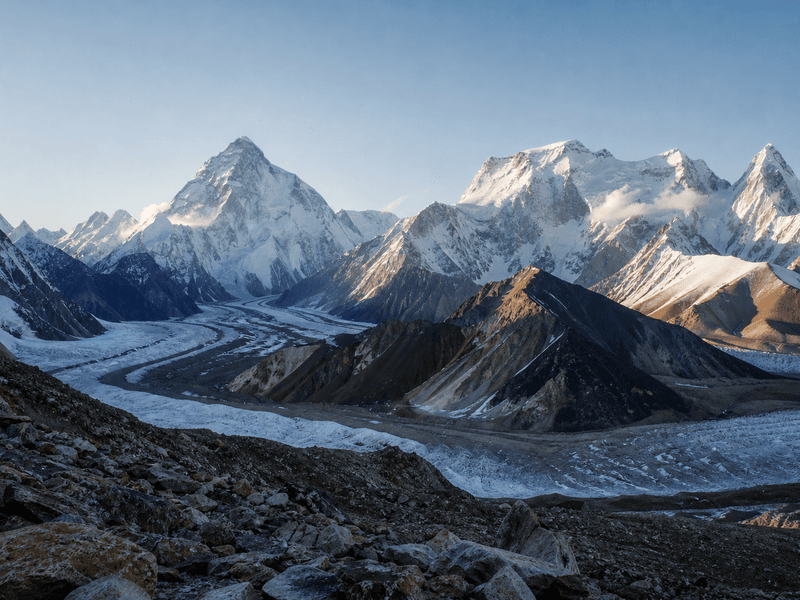
An 18-day Baltoro Glacier trek from Askole to Concordia and back, with local guides, permits, porters, meals, camps, and Skardu logistics.
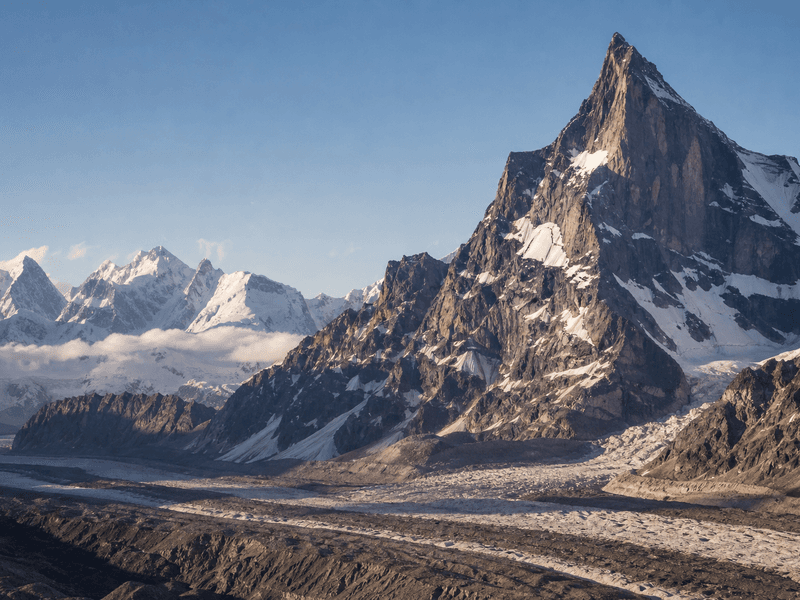
A 35-day specialist Mitre Peak expedition via Askole, the Baltoro Glacier, and Concordia with permits, porters, base camp, and local logistics.
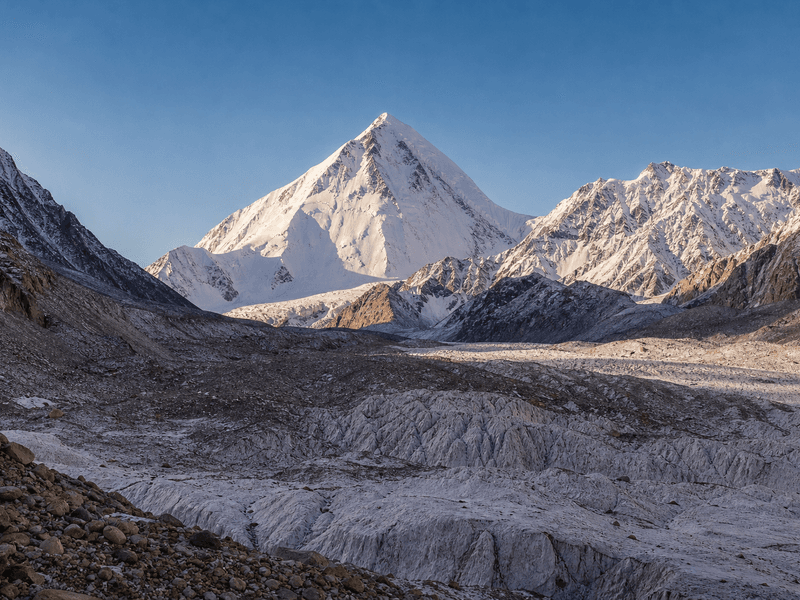
A 28-day Pastore Peak expedition via Askole, Baltoro, Concordia, and the upper Godwin-Austen Glacier with guides, permits, and camp support.
Start Your Journey
Reach our team directly. No booking system, no automated responses — a direct line to the people who run these routes.